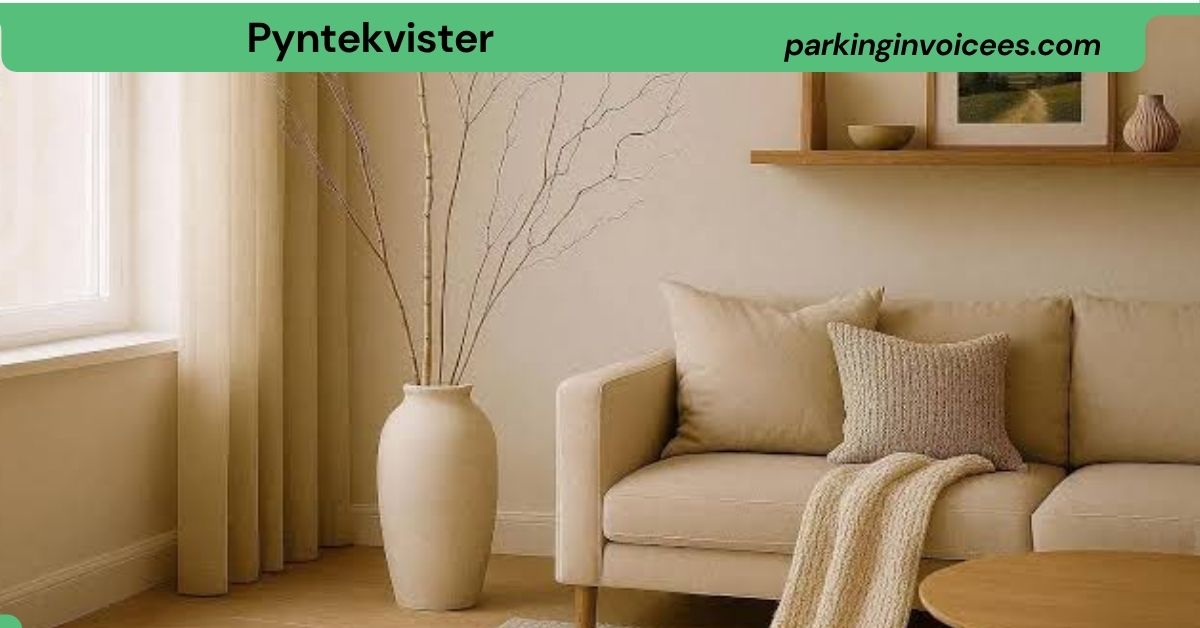
Pyntekvister: The Decorative Branches for Modern Home Design
Natural home décor has become one of the biggest interior design trends in recent years. While flowers have always been popular, many homeowners and designers are now choosing something that lasts longer, requires less maintenance, and creates a unique visual effect. This is where pyntekvister has gained attention.
Pyntekvister refers to decorative branches that are used for beauty rather than for producing flowers, fruit, or shade. These branches may be fresh, dried, preserved, painted, or naturally collected. They add texture, height, elegance, and a natural touch to both modern and traditional spaces.
Whether you are decorating a living room, office, restaurant, hotel lobby, wedding venue, or seasonal display, pyntekvister offers endless creative possibilities. Their simplicity makes them timeless, while their natural appearance allows them to fit almost any decorating style.
This comprehensive guide explains everything you need to know about pyntekvister, including their meaning, types, benefits, decorating ideas, maintenance tips, sustainability, buying advice, creative DIY projects, and expert recommendations. You’ll also discover practical insights that go beyond basic definitions, helping you use decorative branches like a professional interior designer.
What Is Pyntekvister?
Pyntekvister is a Scandinavian term that generally describes decorative branches used primarily for visual appeal.
Unlike flowering plants or fruit-bearing branches, pyntekvister are selected because of their:
- Interesting shapes
- Beautiful textures
- Natural curves
- Attractive bark
- Seasonal appearance
- Artistic structure
Some branches are used exactly as they grow in nature, while others are painted, preserved, bleached, glittered, or treated for long-term indoor use.
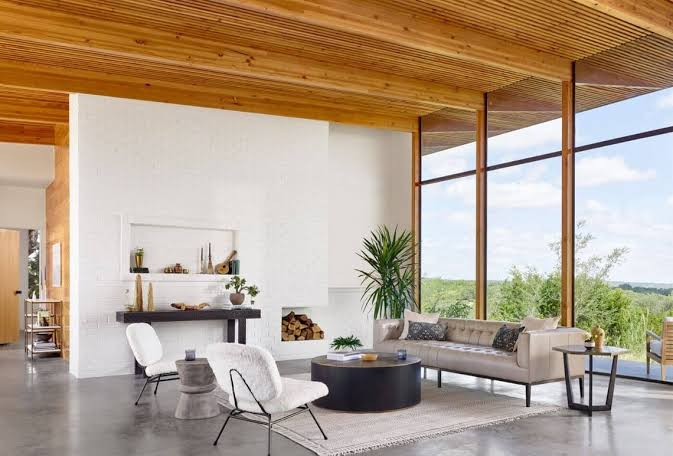
Interior designers often consider decorative branches to be natural sculptures because every branch has its own unique form.
Why Pyntekvister Has Become So Popular
The popularity of pyntekvister continues to grow because people are looking for décor that feels calm, natural, and timeless.
Several design trends have contributed to this popularity.
Minimalist Interior Design
Minimalism focuses on fewer decorative items with greater visual impact.
Instead of filling a room with many small accessories, one large arrangement of decorative branches can become the centerpiece.
Scandinavian Design
Scandinavian interiors celebrate natural materials, soft colors, and simple forms.
Pyntekvister perfectly reflects these principles by bringing nature indoors without overwhelming the space.
Biophilic Design
Biophilic design connects indoor environments with nature.
Studies suggest that natural materials may help create relaxing environments and improve overall comfort. Decorative branches contribute to this feeling without requiring the care of living plants.
Sustainable Decorating
Many people now prefer reusable decorations instead of disposable seasonal items.
Decorative branches can last for years when properly cared for, making them an environmentally friendly decorating option.
ALso Read: Türk Idla: The Turkey’s Digital Identity Movement and Creative Culture
The History of Decorative Branches
Using branches as decoration is far from a new idea.
Ancient civilizations decorated homes and ceremonial spaces with tree branches during celebrations and religious festivals.
Throughout Europe, evergreen branches symbolized life during winter.
In Asia, artistic branches have long been used in floral arrangements to represent balance and harmony.
Scandinavian countries embraced decorative branches as part of their simple, nature-inspired lifestyle.
Today, pyntekvister combines these traditional ideas with modern interior design.
Common Types of Pyntekvister
Many different branches can be used as decorative pieces.
Birch Branches
Birch branches are among the most recognizable decorative branches because of their white bark.
They fit perfectly into:
- Scandinavian homes
- Modern apartments
- Winter decorations
- Farmhouse interiors
Willow Branches
Willow branches naturally twist and curve.
Their flowing shape adds movement and elegance to decorative arrangements.
Curly Hazel Branches
Curly hazel is famous for its unusual spiral growth.
Each branch becomes a natural piece of artwork.
Cherry Branches
Cherry branches provide delicate beauty throughout every season.
During spring they may bloom, while dried versions remain attractive year-round.
Manzanita Branches
These branches have dramatic shapes and are often used for luxury weddings and upscale interior decoration.
Apple Tree Branches
Apple branches offer rustic charm and work especially well in farmhouse-style homes.
Dogwood Branches
Dogwood branches have colorful bark and attractive forms, making them excellent decorative pieces.
Painted Decorative Branches
Some decorative branches are professionally painted using colors such as:
- White
- Black
- Gold
- Silver
- Bronze
- Copper
These versions create more contemporary interior styles.
Fresh vs. Dried vs. Preserved Pyntekvister
Understanding the differences helps you choose the right option.
Fresh Branches
Advantages:
- Natural scent
- Fresh appearance
- Seasonal beauty
Disadvantages:
- Short lifespan
- Requires water
- Leaves may fall
Dried Branches
Advantages:
- Last for years
- No watering
- Very low maintenance
Disadvantages:
- Can become brittle
- May collect dust
Preserved Branches
Advantages:
- Long-lasting
- Flexible
- Realistic appearance
- Minimal maintenance
Disadvantages:
- Usually more expensive
How Designers Choose Decorative Branches
Professional interior designers rarely choose branches randomly.
Instead, they evaluate several factors.
Shape
Interesting curves often create more visual impact than perfectly straight branches.
Height
Large rooms benefit from tall branches.
Smaller spaces look better with shorter arrangements.
Texture
Different bark textures create depth within a room.
Color
Natural wood tones often work best.
However, painted branches can become dramatic statement pieces.
Balance
Designers often combine several branches with slightly different heights to create a balanced arrangement.
Best Places to Use Pyntekvister
Decorative branches work almost anywhere.
Living Rooms
A tall vase filled with decorative branches instantly becomes a conversation piece.
Dining Rooms
Branches create elegant centerpieces without blocking conversation.
Bedrooms
Simple arrangements provide calm and natural beauty.
Entryways
Large decorative branches make welcoming first impressions.
Home Offices
Natural décor creates a more comfortable working environment.
Hotels
Luxury hotels frequently use oversized branch arrangements in their lobbies.
Restaurants
Decorative branches add warmth and sophistication while requiring almost no maintenance.
Popular Interior Design Styles That Use Pyntekvister
Decorative branches adapt to nearly every decorating style.
These include:
- Scandinavian
- Japandi
- Modern
- Minimalist
- Rustic
- Farmhouse
- Industrial
- Coastal
- Contemporary
- Luxury interiors
- Nordic design
- Bohemian
- Transitional
This versatility explains why pyntekvister continues growing in popularity.
How to Style Pyntekvister Like a Professional
Creating beautiful arrangements requires more than placing branches inside a vase.
Professionals follow several basic principles.
Choose a vase that complements the branch size.
Leave enough open space around the arrangement.
Avoid overcrowding.
Use odd numbers of branches whenever possible.
Allow natural curves to remain visible.
Rotate the arrangement until it looks balanced from different viewing angles.
Less is usually more.
One impressive arrangement often creates more impact than many small decorations.
Choosing the Right Vase
The vase is almost as important as the branches.
Popular options include:
- Clear glass
- Ceramic
- Stoneware
- Concrete
- Metal
- Handcrafted pottery
- Wooden containers
- Matte black vases
- White porcelain
The vase should support the weight of tall branches while matching the overall room style.
Seasonal Decorating Ideas
One reason pyntekvister remains popular is its flexibility throughout the year.
Also Read: Uvlack: Understanding Its Meaning, Uses, Benefits, and Future Applications
Spring
Fresh green branches
Cherry blossoms
Soft pastel decorations
Summer
Simple natural branches
Light ceramic vases
Minimal accessories
Autumn
Branches combined with dried leaves
Warm brown tones
Natural seed pods
Winter
White-painted branches
Evergreen stems
Warm lighting
Holiday ornaments
By changing only a few decorative elements, the same branch arrangement can stay relevant all year.
Creative DIY Projects Using Pyntekvister
Decorative branches are perfect for creative home projects.
Ideas include:
- Wall installations
- Hanging displays
- Holiday centerpieces
- Table runners
- Photo displays
- Jewelry holders
- Coat racks
- Wedding arches
- Candle arrangements
- Seasonal wreaths
DIY projects allow homeowners to personalize their décor while spending very little money.
Using Pyntekvister for Weddings
Wedding designers love decorative branches because they create elegant spaces without appearing overly formal.
Popular uses include:
- Ceremony arches
- Reception centerpieces
- Entrance displays
- Hanging floral installations
- Table decorations
- Photo backdrops
- Cake table accents
- Outdoor ceremonies
Adding flowers, candles, or fairy lights creates memorable wedding designs.
Decorating Small Spaces
Small homes benefit greatly from vertical decoration.
Instead of adding bulky furniture, tall branches draw attention upward, making ceilings appear higher.
Choose:
- Thin branches
- Narrow vases
- Simple arrangements
- Neutral colors
Avoid oversized displays that overwhelm the room.
Decorating Large Spaces
Large rooms require stronger visual elements.
Consider:
- Oversized branches
- Large ceramic containers
- Multiple branch groupings
- Floor-standing arrangements
Large decorative branches help fill empty corners while maintaining an open feeling.
How to Maintain Decorative Branches
Maintenance is extremely simple.
Dust branches every few weeks using a soft cloth or feather duster.
Keep dried branches away from excessive humidity.
Avoid direct sunlight if branches are painted or preserved.
Inspect arrangements occasionally for loose pieces.
Replace damaged branches when necessary.
With proper care, many decorative branches remain beautiful for several years.
Environmental Benefits of Pyntekvister
One overlooked advantage of decorative branches is sustainability.
Many branches come from routine tree pruning rather than cutting down healthy trees.
They are biodegradable.
Many can be reused for multiple seasons.
They reduce the need for disposable decorations.
They encourage appreciation of natural materials.
When sourced responsibly, pyntekvister supports environmentally conscious decorating.
How to Choose High-Quality Pyntekvister
Not every decorative branch offers the same quality.
Look for:
- Strong structure
- Natural appearance
- Minimal damage
- Interesting branching patterns
- Stable bark
- Professional preservation if treated
High-quality branches may cost more initially but usually last much longer.
Common Decorating Mistakes
Avoid these common errors.
Using branches that are too short for tall ceilings.
Choosing unstable containers.
Overcrowding arrangements.
Ignoring room proportions.
Mixing too many colors.
Using damaged branches.
Skipping regular dusting.
Small improvements often make decorative displays look significantly more professional.
Can You Collect Your Own Decorative Branches?
Yes, many people responsibly collect branches after storms, seasonal pruning, or natural tree maintenance.
However, always follow local regulations and avoid removing branches from protected parks or private property without permission.
Clean collected branches thoroughly before bringing them indoors.
Dry them completely to reduce the chance of insects or moisture problems.
Applying a clear protective finish can also improve durability.
The Psychology Behind Natural Decorative Branches
Natural elements influence how people experience indoor spaces.
Decorative branches can create a feeling of:
- Calmness
- Balance
- Simplicity
- Warmth
- Authenticity
- Connection with nature
Unlike highly manufactured décor, organic branch shapes introduce gentle visual variation that many people find relaxing.
This explains why designers often recommend natural materials in homes, offices, hospitality spaces, and wellness environments.
Also Read: SEO by HighSoftware99.com: A Complete Framework for Better Search Visibility
Pyntekvister vs. Artificial Decorative Plants
Many homeowners wonder whether decorative branches or artificial plants are the better choice.
Pyntekvister offers a more authentic appearance because every branch has a unique structure. They blend naturally with wood, stone, linen, and other organic materials.
Artificial plants can add greenery, but they often require more cleaning and may look less realistic over time.
Decorative branches provide elegance through simplicity rather than attempting to imitate living foliage.
For minimalist interiors, pyntekvister is often the preferred option because it creates visual interest without adding clutter.
Future Trends for Pyntekvister
Interior design continues moving toward sustainability, wellness, and timeless style.
As these trends grow, decorative branches are expected to remain popular.
Future innovations may include:
- Eco-friendly preserved branches
- Smart lighting integrated with decorative displays
- Recycled decorative containers
- Handmade artisan branch sculptures
- Mixed natural material installations
- Custom architectural branch designs
Consumers are increasingly choosing long-lasting décor over short-term decorative products, making pyntekvister an excellent investment.
Expert Tips for Creating Stunning Displays
Professional decorators often recommend starting with one statement arrangement instead of decorating every room at once.
Use natural lighting whenever possible to highlight branch textures.
Pair decorative branches with materials such as stone, ceramic, linen, wool, or wood for a cohesive design.
Refresh seasonal accents rather than replacing the branches themselves.
Most importantly, embrace the uniqueness of every branch. Small imperfections often create the greatest beauty.
Conclusion
Pyntekvister is much more than a simple decorative trend. It represents a timeless approach to interior design that celebrates the beauty of nature through elegant branches, thoughtful arrangements, and sustainable decorating practices.
Whether you prefer Scandinavian simplicity, rustic charm, modern luxury, or minimalist interiors, decorative branches offer remarkable versatility. Their long lifespan, low maintenance, and artistic appearance make them one of the most practical natural décor choices available today.
As homes continue to embrace wellness-focused and environmentally responsible design, pyntekvister is likely to remain a favorite among homeowners, decorators, architects, and interior designers around the world. By choosing quality branches, displaying them thoughtfully, and caring for them properly, you can enjoy sophisticated natural beauty that never goes out of style.
Frequently Asked Questions About Pyntekvister
Can pyntekvister be used outdoors?
Yes. Many decorative branches can be displayed outdoors for special events or on covered patios. However, prolonged exposure to rain, direct sunlight, and strong winds may reduce their lifespan.
Do decorative branches attract insects?
Properly cleaned, dried, or professionally preserved branches are unlikely to attract insects. If you collect branches yourself, inspect and clean them carefully before indoor use.
Can I paint pyntekvister myself?
Absolutely. Acrylic spray paint or specialty craft paint works well. Apply thin, even coats and allow each layer to dry completely for the best finish.
Which rooms benefit the most from decorative branches?
Entryways, living rooms, dining rooms, offices, bedrooms, and hotel-style spaces are all excellent locations. Large open areas especially benefit from tall branch arrangements.
How long do preserved pyntekvister last?
High-quality preserved branches can remain attractive for several years when kept indoors and protected from moisture and prolonged direct sunlight.
Are decorative branches suitable for commercial spaces?
Yes. Many offices, restaurants, hotels, retail stores, and event venues use pyntekvister because they offer an elegant appearance with minimal maintenance.
Can decorative branches be combined with fresh flowers?
Yes. Mixing branches with seasonal flowers creates arrangements with more depth, texture, and height while maintaining a natural look.
What colors work best with pyntekvister?
Neutral shades such as white, beige, gray, black, soft green, and natural wood tones complement decorative branches beautifully. Metallic finishes like gold or bronze can also create a sophisticated accent for modern interiors.