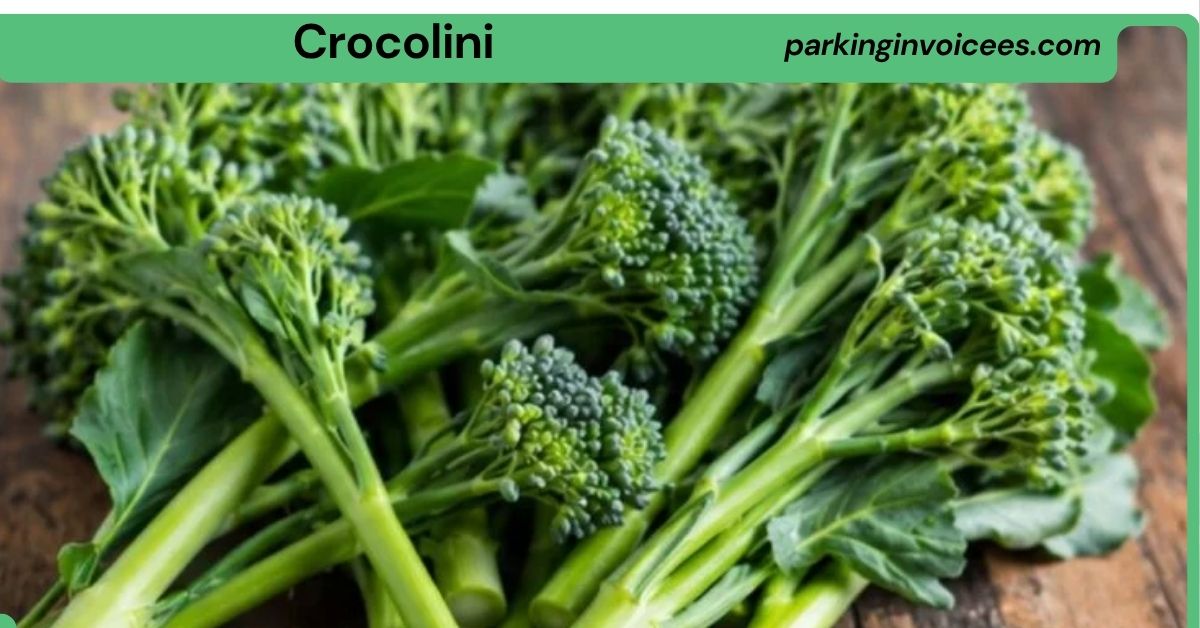
Crocolini: What It Is, Taste, Nutrition, Cooking, and More
Crocolini is a name that may appear when people search for a slender green vegetable that looks similar to broccoli. It is commonly described as having long, edible stems, small florets, and a mild, fresh taste. In many food-related discussions, the term is closely associated with broccolini, which is a more familiar name for a similar long-stemmed vegetable.
If you have seen Crocolini at a grocery store, on a restaurant menu, or in an online recipe, you may wonder what makes it different from ordinary broccoli. The answer is mostly found in its shape, texture, flavor, and how it is prepared.
Unlike traditional broccoli, which usually forms a large, compact head, Crocolini-style vegetables have narrow stems and smaller florets. The stems are often tender enough to eat, so there is less trimming and less food waste.
This guide explains everything you need to know about Crocolini, including what the name means, how it compares with broccoli and broccolini, how it tastes, how to cook it, how to store it, its nutritional value, and simple ways to add it to everyday meals.
What Is Crocolini?
Crocolini is generally used as an informal food term for a slender green vegetable that resembles broccolini. It has long stems, small florets, and a mild flavor.
The term is not as widely standardized as names such as broccoli or broccolini. Because of this, different websites, sellers, and consumers may use the word in slightly different ways.
For practical cooking purposes, Crocolini is often understood as a broccolini-like vegetable.
The vegetable typically has:
- Long, thin green stems
- Small green florets
- Tender leaves
- A mild vegetable flavor
- An edible stem
- A shape that makes it easy to cook whole
One of its most useful features is that you can usually eat much more of the vegetable than you might expect. The stems are not simply scraps that need to be thrown away.
Is Crocolini the Same as Broccolini?
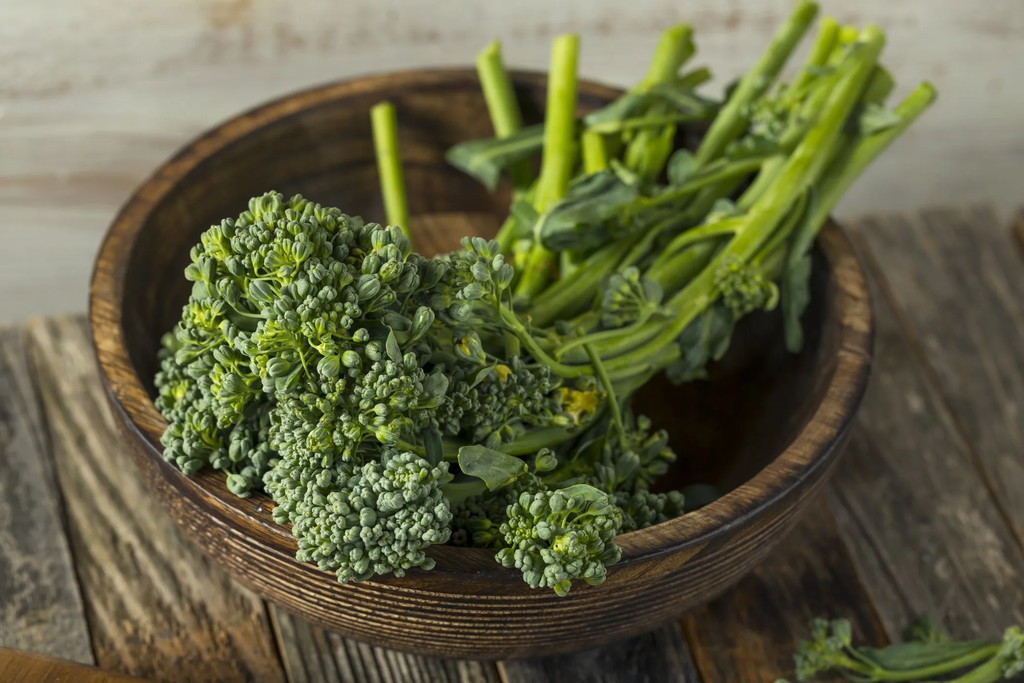
Crocolini is often used to describe a vegetable that looks and cooks much like broccolini. Broccolini is the more familiar and established name.
If you see a vegetable with long green stems and small broccoli-like florets described as Crocolini, it may be essentially the same type of vegetable you would normally find labeled broccolini.
However, the names should not automatically be treated as exact scientific synonyms.
A seller could use Crocolini as an informal product name, a specialty name, or a variation in spelling. The best way to know what you are buying is to look at the product description and appearance.
For most home cooks, the distinction is not a major concern. If the vegetable looks like long-stemmed broccolini, you can generally use broccolini cooking methods.
Why Is Crocolini Becoming a Search Term?
Food names often become popular through recipes, social media, grocery listings, restaurants, and online discussions.
Sometimes a word is repeated so often that people begin searching for it even when its definition is not completely standardized.
Crocolini is a good example of this type of food-related search behavior.
Someone may encounter the word in a recipe and search for its meaning. Another person may see it on a menu and want to know what it tastes like. A third person may search for the vegetable because they want to buy it.
This creates several different types of search intent around one keyword.
People searching for Crocolini may want to know:
- What Crocolini means
- Whether Crocolini is a real vegetable
- Whether Crocolini is the same as broccolini
- What Crocolini tastes like
- How to cook Crocolini
- Whether Crocolini is healthy
- Where to buy Crocolini
- Whether Crocolini can be grown at home
- What can be substituted for Crocolini
Understanding these different questions makes it easier to provide useful information instead of simply giving a one-line definition.
What Does Crocolini Look Like?
Crocolini has a very recognizable appearance.
The vegetable usually consists of narrow stems topped with small florets. The stems may be straight or slightly curved, while the florets resemble miniature broccoli heads.
Small leaves may grow along the stems.
Compared with traditional broccoli, Crocolini looks lighter and more open. You do not usually get one large crown. Instead, you get several individual shoots.
This shape is useful in cooking because the entire piece can often be prepared without cutting it into many small parts.
Also Read: Lufanest: A Complete Guide to the AI-Powered Digital Platform
The long stems also give the vegetable an attractive appearance when served on a dinner plate.
What Does Crocolini Taste Like?
Crocolini has a mild, fresh, green flavor.
If it is similar to broccolini, its flavor can be slightly sweet and less intense than traditional broccoli. The stems can also have a pleasant crisp-tender texture when cooked properly.
Cooking method makes a big difference.
Steaming keeps the flavor light and fresh. Roasting creates a deeper flavor and lightly browned edges. Grilling adds a smoky taste, while sautéing allows garlic, herbs, spices, and sauces to become part of the dish.
Crocolini does not need heavy seasoning.
Simple ingredients such as olive oil, lemon, garlic, salt, and black pepper can bring out its natural flavor.
Crocolini vs. Broccoli
Crocolini and broccoli are similar green vegetables, but their appearance and texture are different.
Traditional broccoli usually has a large central head with thick stems and tightly grouped florets.
Crocolini or broccolini has long stems and smaller florets.
Here is a quick comparison:
| Feature | Crocolini | Broccoli |
| Shape | Long and slender | Large central head |
| Stems | Thin and tender | Usually thicker |
| Florets | Small | Larger |
| Flavor | Mild | More pronounced |
| Cooking time | Often quick | Varies |
| Preparation | Little trimming | May require more cutting |
| Appearance | Individual shoots | Compact crown |
Neither vegetable is necessarily better.
Broccoli is excellent for soups, casseroles, salads, and everyday side dishes. Crocolini is particularly convenient when you want long edible stems and quick preparation.
Crocolini vs. Broccolini
The difference between Crocolini and broccolini can be difficult to identify because the names are sometimes used similarly online.
Broccolini is a well-known long-stemmed green vegetable. It has small florets and tender stems.
Crocolini is a less standardized term.
When a recipe uses Crocolini to describe a long-stemmed vegetable with small florets, broccolini is usually the closest familiar comparison.
This is why people searching for Crocolini may find recipes and cooking information that actually discuss broccolini.
The important thing is to focus on the vegetable’s physical characteristics rather than relying entirely on the spelling of the name.
Crocolini vs. Broccoli Rabe
Crocolini should not automatically be confused with broccoli rabe.
Broccoli rabe has a noticeably stronger and more bitter flavor. It also tends to have more leaves and smaller flower clusters.
Crocolini or broccolini is generally milder.
This difference can affect recipes.
If you replace broccoli rabe with Crocolini, your dish may taste much less bitter. If you replace Crocolini with broccoli rabe, you may notice a stronger and more earthy flavor.
If you are trying a recipe for the first time, it is useful to understand this difference before making substitutions.
Crocolini and Chinese Broccoli
Chinese broccoli, commonly known as gai lan, is another vegetable that may look somewhat similar.
It usually has thicker stems and larger leaves. The vegetable is popular in Chinese cooking and other Asian cuisines.
Broccolini has characteristics associated with both conventional broccoli and Chinese broccoli, which helps explain its long stems and small florets.
Crocolini may sometimes be discussed alongside these vegetables because of their similar appearance.
However, similar appearance does not mean that all three vegetables are identical.
The Story Behind Crocolini and Broccolini
The history of Crocolini itself is difficult to separate from the history of broccolini because Crocolini is not a universally standardized vegetable name.
Broccolini was developed through plant breeding to combine useful qualities associated with broccoli and Chinese broccoli.
The result was a vegetable with long stems, small florets, and a relatively mild flavor.
This design makes sense from a cooking perspective.
People want vegetables that are:
- Easy to prepare
- Quick to cook
- Attractive on the plate
- Mild enough for different recipes
- Useful from stem to floret
Long-stemmed vegetables meet many of these needs.
Is Crocolini a New Vegetable?
Not necessarily.
If someone is using Crocolini as another name for a broccolini-like vegetable, then it should not automatically be considered a completely new vegetable.
The name itself may be informal, regional, commercial, or simply a variation in how the vegetable is described.
This is an important point when reading food content online.
A new name does not always mean a new species.
When researching an unfamiliar food, it is better to examine its characteristics, botanical classification, growing information, and product description before deciding that it represents a completely different crop.
How to Buy Crocolini
Finding a product specifically labeled Crocolini may be more difficult than finding broccolini.
In U.S. grocery stores, check the fresh produce section near:
- Broccoli
- Specialty vegetables
- Brussels sprouts
- Kale
- Green beans
- Organic vegetables
You may find a similar product labeled broccolini or another tender-stem broccoli name.
When shopping, focus on freshness rather than the name alone.
Look for:
- Firm stems
- Fresh green color
- Crisp leaves
- Tight, healthy-looking florets
- No strong odor
- No slimy surface
- Little or no browning
A small amount of natural variation is normal, but heavily wilted or damaged vegetables are usually best avoided.
How to Store Crocolini
Crocolini should generally be refrigerated after purchase.
If it comes in a package, follow the storage instructions on the package.
If it is loose, keep it refrigerated and reasonably dry.
It is usually better to wash fresh vegetables shortly before cooking rather than washing them immediately and then storing them wet.
Excess moisture can encourage faster deterioration.
A simple storage routine is:
- Place the vegetable in the refrigerator.
- Keep it protected from excessive moisture.
- Do not seal it in a soaking-wet container.
- Remove damaged pieces if necessary.
- Use it while it still looks fresh and firm.
The sooner you use fresh produce, the better its texture and flavor are likely to be.
How to Prepare Crocolini
Preparing Crocolini is usually easy.
Start by rinsing the vegetable under cool running water.
Check the florets and leaves for dirt or debris.
Next, inspect the bottom of the stems.
If the ends look dry or tough, trim a small amount.
There is usually no need to remove the entire stem.
You can leave the vegetable whole or cut it into shorter pieces.
For a quick side dish, keeping the stems whole can make the finished dish look especially attractive.
Can You Eat the Crocolini Stems?
Yes, the tender stems are generally one of the main reasons people enjoy broccolini-style vegetables.
The stems can be steamed, roasted, grilled, sautéed, or stir-fried.
If the bottom end is tough, simply trim that section.
There is usually no reason to throw away a perfectly tender stem.
Using the stems can also help reduce kitchen waste.
Can You Eat Crocolini Leaves?
Tender leaves can usually be cooked along with the stems.
Also Read: Woolrec: A Complete Guide to Wool Recycling, Its Process, Benefits, and Future
They can become soft and flavorful when roasted or sautéed.
If a leaf looks damaged, yellow, or unusually tough, you can remove it.
There is no need to remove every leaf simply because it is attached to the stem.
Best Ways to Cook Crocolini
One of the best things about Crocolini is its flexibility.
You can cook it using several different methods.
Steamed Crocolini
Steaming is a simple choice when you want a clean, fresh flavor.
Place the vegetable in a steamer and cook until the stems become tender while retaining some texture.
Finish with lemon juice, olive oil, black pepper, or a small amount of butter.
Steamed Crocolini makes an easy side dish for weeknight meals.
Roasted Crocolini
Roasting brings out a richer flavor.
Place the vegetable on a baking sheet and add a small amount of oil.
Season with salt and pepper.
Roast until the stems are tender and the edges begin to brown.
For additional flavor, add garlic, lemon zest, Parmesan, or mild chili flakes.
Roasting is especially useful when you want a simple vegetable side dish without standing over the stove.
Grilled Crocolini
Grilling adds a smoky flavor.
Lightly coat the vegetable with oil and place it on a grill or grill pan.
Cook until tender with lightly browned or grilled areas.
Because the stems are relatively thin, they can cook quickly.
Serve grilled Crocolini with grilled chicken, fish, tofu, or other vegetables.
Sautéed Crocolini
Sautéing is one of the fastest cooking methods.
Heat a small amount of oil in a pan and add the vegetable.
Cook until the stems are tender and the florets are lightly cooked.
Garlic is an easy addition.
You can also add ginger, lemon, sesame seeds, or a small amount of soy sauce.
Stir-Fried Crocolini
Crocolini is well suited to stir-frying.
The thin stems can cook quickly alongside other vegetables.
Try combining it with:
- Carrots
- Mushrooms
- Bell peppers
- Snap peas
- Onions
- Tofu
- Chicken
- Shrimp
Add sauce toward the end so the vegetable does not become overly soft.
Easy Crocolini Seasonings
You do not need complicated ingredients to make Crocolini taste good.
Some simple combinations include:
Lemon and Garlic
Olive oil, garlic, lemon juice, salt, and pepper create a bright and simple flavor.
Parmesan and Black Pepper
Roasted Crocolini pairs well with Parmesan and freshly ground black pepper.
Sesame and Soy
A small amount of soy sauce with sesame seeds can create an Asian-inspired side dish.
Chili and Lemon
For a little heat, add red pepper flakes and fresh lemon juice.
Butter and Herbs
Butter with parsley, thyme, or another mild herb can create a comforting side dish.
Is Crocolini Healthy?
If Crocolini refers to a broccolini-style vegetable, it can be a nutritious addition to a balanced diet.
Like many green vegetables, it can provide fiber, vitamins, minerals, and naturally occurring plant compounds.
The exact nutritional content depends on the specific vegetable, serving size, growing conditions, and cooking method.
Rather than thinking of Crocolini as a special health cure, it is more useful to see it as one nutritious option among many vegetables.
A varied diet is more important than eating one particular food every day.
What Nutrients Does Crocolini Provide?
A broccolini-style vegetable can contribute several useful nutrients.
These may include:
- Dietary fiber
- Vitamin C
- Vitamin K
- Folate
- Vitamin A-related nutrients
- Plant-based antioxidants
Fiber can help support normal digestive function and may contribute to feelings of fullness.
Vitamin C plays several important roles in normal body function.
Vitamin K is important for normal blood clotting and contributes to bone health.
The vegetable also contains natural plant compounds found in Brassica vegetables.
However, nutrition information can vary, so exact values should come from the specific product or food database being used.
Is Crocolini Low in Calories?
Crocolini and similar green vegetables are generally relatively low in calories.
The final calorie content of a dish depends on preparation.
Steamed Crocolini with lemon will naturally have a different calorie profile from a version covered in cheese, butter, or a rich sauce.
If you are watching your calorie intake, consider the whole recipe rather than focusing only on the vegetable.
Is Crocolini Good for Weight Management?
A vegetable such as Crocolini can fit into meals designed around balanced nutrition.
Vegetables can add volume, texture, and nutrients without contributing as many calories as many highly processed or energy-dense foods.
However, no vegetable automatically causes weight loss.
Weight management depends on many factors, including overall food intake, physical activity, sleep, lifestyle, and individual needs.
Crocolini can simply be one useful ingredient in a balanced eating pattern.
Crocolini for Vegetarian Meals
Crocolini can be a convenient ingredient for vegetarian meals.
Pair it with:
- Lentils
- Chickpeas
- Black beans
- Tofu
- Tempeh
- Quinoa
- Brown rice
- Whole-grain pasta
- Nuts and seeds
For example, roasted Crocolini with chickpeas and quinoa can become a simple lunch bowl.
Add a lemon-based dressing for extra flavor.
Crocolini for Vegan Meals
Crocolini can also fit into vegan cooking.
The vegetable itself does not require animal ingredients.
The main thing to watch is the rest of the recipe.
Butter, cheese, creamy sauces, and some prepared dressings may contain animal products.
For a simple vegan preparation, roast Crocolini with olive oil, garlic, lemon, and black pepper.
You can also add tahini or a light sesame dressing.
Crocolini in American Home Cooking
Crocolini fits easily into many American meals.
It can be served as a side dish or added directly to a larger recipe.
Try it with:
- Roasted chicken
- Baked salmon
- Grilled steak
- Turkey
- Pasta
- Rice bowls
- Potatoes
- Beans
- Tofu
Because its flavor is relatively mild, it can also work with different cuisines.
That makes it a useful refrigerator vegetable when you want something quick and versatile.
Can Crocolini Be Eaten Raw?
A fresh broccolini-style vegetable can be eaten raw after proper washing.
However, the stems may be firmer when raw.
For salads, slice the stems thinly and cut the florets into small pieces.
If you prefer a softer texture, lightly steam or blanch the vegetable before adding it to a salad.
Raw and cooked Crocolini have different textures, so the better choice depends on the dish.
Can Crocolini Be Frozen?
Crocolini or broccolini can be frozen, although fresh and frozen versions may have different textures.
For better frozen quality, vegetables are often blanched briefly before freezing and then cooled quickly.
Frozen Crocolini may become softer after thawing.
For this reason, it is often best used in cooked meals such as:
- Stir-fries
- Soups
- Pasta
- Casseroles
- Rice dishes
It may not have the same crisp texture as fresh Crocolini.
Can You Grow Crocolini at Home?
Home gardeners can grow broccolini and related Brassica vegetables, but the term Crocolini itself is not specific enough to give one universal growing plan.
If you want to grow it, choose seeds that clearly identify the plant and provide information about the variety.
Look for details about:
- Planting season
- Days to maturity
- Sunlight
- Spacing
- Soil
- Water
- Harvesting
- Local climate
Growing conditions vary across the United States.
A gardener in California may have a very different growing schedule from someone in Minnesota, Florida, or Maine.
Is Crocolini Easy to Grow?
The difficulty depends on the specific variety and local growing conditions.
Broccolini-type vegetables can be grown by home gardeners, but they need proper care.
Potential challenges include:
- Insects
- Heat
- Poor soil
- Irregular watering
- Crowded plants
- Incorrect planting times
For the best results, use instructions provided for the exact seed variety rather than relying on general information about Crocolini.
Crocolini and Food Safety
Fresh vegetables should always be handled carefully.
Before preparing Crocolini:
- Wash your hands.
- Rinse the vegetable under clean running water.
- Remove damaged sections.
- Keep produce away from raw meat and poultry.
- Use clean cutting boards and utensils.
- Refrigerate cooked leftovers promptly.
Do not use soap, bleach, or household cleaning products to wash fresh vegetables.
If the vegetable becomes slimy, develops a strong unpleasant smell, or shows extensive spoilage, it is safer to throw it away.
How to Reduce Food Waste With Crocolini
Crocolini can be useful for reducing food waste because the stems are usually edible.
Instead of cutting off most of the stalk, inspect it first.
If the stem is tender, cook it.
If only the bottom is dry, trim the small damaged section rather than discarding the entire stalk.
You can also use leftover cooked Crocolini in:
- Omelets
- Pasta
- Rice bowls
- Soups
- Sandwiches
- Frittatas
- Stir-fries
This turns leftovers into another meal instead of sending them to the trash.
Common Mistakes When Cooking Crocolini
Crocolini is easy to cook, but a few mistakes can affect the final result.
Cooking It Too Long
Overcooking can make the stems soft and watery.
Using Too Much Water
Long boiling can reduce the vegetable’s pleasant texture.
Overcrowding a Roasting Pan
Too many vegetables in a small space can cause steaming instead of browning.
Adding Too Much Sauce
Heavy sauces can cover the vegetable’s mild flavor.
Not Drying It Before Roasting
Wet vegetables do not brown as easily.
For the best results, aim for a tender but slightly firm texture.
What Goes Well With Crocolini?
Crocolini is easy to pair with many ingredients.
For protein, consider:
- Chicken
- Salmon
- Cod
- Shrimp
- Turkey
- Tofu
- Tempeh
- Beans
For grains and starches, try:
- Rice
- Quinoa
- Couscous
- Potatoes
- Pasta
- Farro
For flavor, use:
- Lemon
- Garlic
- Ginger
- Olive oil
- Sesame
- Parmesan
- Black pepper
- Red pepper flakes
- Fresh herbs
Its mild taste gives you plenty of room to experiment.
Best Crocolini Substitute
If a recipe calls for Crocolini and you cannot find it, broccolini is usually the closest option when the recipe describes a long-stemmed vegetable with small florets.
Also Read: Sodiceram: A Complete Guide to Next-Generation Sodium-Infused Ceramic
Traditional broccoli can also work.
When using broccoli as a substitute, cut the florets into smaller pieces and adjust the cooking time.
Broccoli rabe is less similar because of its stronger and more bitter flavor.
Chinese broccoli can also be used in some dishes, but its thicker stems and broader leaves can change the texture.
Is Crocolini Worth Trying?
For people who enjoy vegetables, Crocolini is certainly worth trying.
Its main strengths are simplicity and versatility.
You can cook it quickly, eat the stems, season it in many ways, and serve it with almost any main course.
You do not need an advanced cooking technique.
A hot oven, a little olive oil, garlic, and lemon can turn it into a flavorful side dish in a short time.
Its mild taste also makes it useful for people who want to add more green vegetables to their meals without choosing a strongly flavored vegetable.
Frequently Asked Questions About Crocolini
1. Does Crocolini have a strong smell when cooked?
Crocolini generally has a mild vegetable aroma when cooked properly. Like other Brassica vegetables, it can develop a stronger smell if it is boiled or cooked for a long time. Steaming, roasting, grilling, and quick sautéing can help maintain a fresher aroma and better texture.
2. Can Crocolini be used instead of asparagus?
Crocolini can sometimes replace asparagus in a recipe because both vegetables have long edible stems. However, they do not taste exactly the same. Crocolini has a broccoli-like flavor, while asparagus has its own distinctive earthy and slightly grassy taste. Cooking times may also need to be adjusted.
3. Can Crocolini be added to breakfast dishes?
Yes. Crocolini can be a useful addition to breakfast recipes. Chop cooked pieces and add them to scrambled eggs, omelets, frittatas, breakfast bowls, or savory sandwiches. Because the vegetable cooks quickly, it can also be prepared ahead of time and added to breakfast throughout the week.
4. Can Crocolini be cooked in an air fryer?
Yes, a broccolini-style vegetable can be prepared in an air fryer. Toss the pieces lightly with oil and seasonings, then cook until the stems are tender and the florets have lightly browned. Because air fryers vary in temperature and airflow, check the vegetable during cooking to prevent the thinner florets from becoming too dark.
5. Can leftover Crocolini be reheated?
Yes. Cooked Crocolini can be reheated, although its texture may become softer after additional heating. A skillet, oven, or air fryer can help restore some texture. Avoid heating it repeatedly. Leftovers should be refrigerated properly and used within a safe period based on standard food-storage practices.
Final Thoughts on Crocolini
Crocolini is an interesting food term because its meaning is not as standardized as some familiar vegetable names. In many cooking-related contexts, it refers to a slender green vegetable closely associated with broccolini.
The vegetable is easy to recognize by its long stems and small florets. Its mild flavor makes it flexible enough for simple home cooking, while its edible stems can make preparation easier and reduce waste.
You can steam it for a light side dish, roast it for deeper flavor, grill it for smoky notes, or stir-fry it with other ingredients. It also works well in pasta, grain bowls, soups, salads, and vegetarian meals.
From a nutrition perspective, Crocolini can contribute fiber, vitamins, minerals, and plant compounds as part of a balanced diet. It should not be viewed as a miracle food, but it can be a valuable part of an overall healthy eating pattern.
The most important thing to remember is that the name may vary. If you cannot find something specifically labeled Crocolini, look for broccolini or another long-stemmed broccoli-style vegetable. Check the appearance and product description, then choose a cooking method that matches the texture you want.
For anyone looking for a simple, attractive, and versatile green vegetable, Crocolini is a term worth understanding—and a vegetable style worth trying.