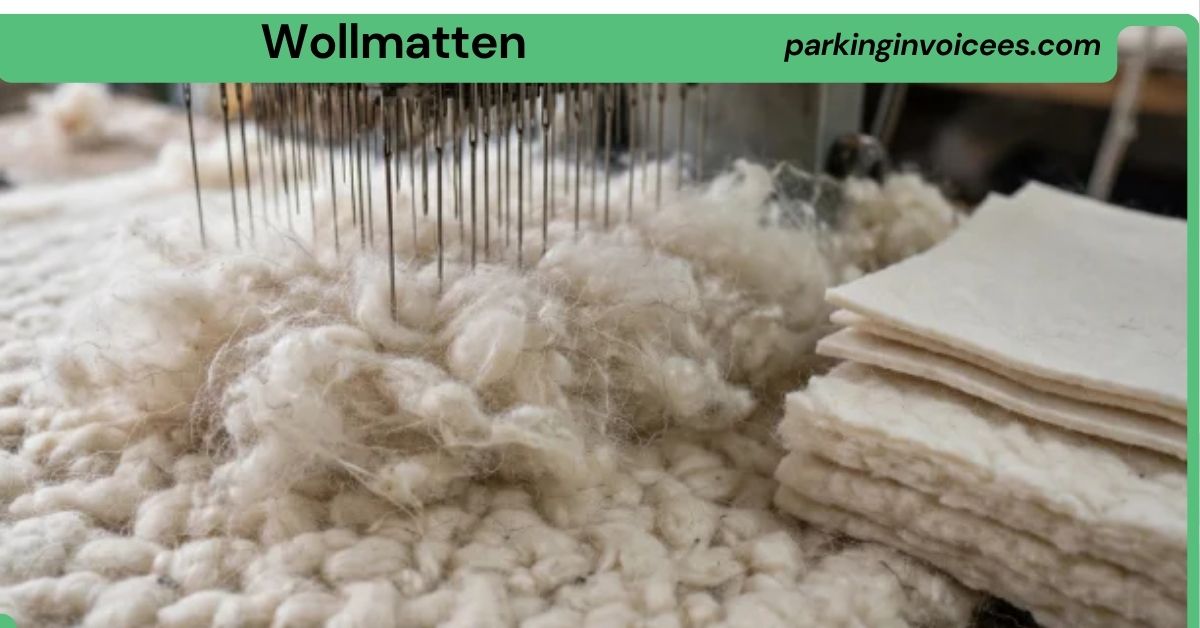
Wollmatten: A Complete Guide to Natural Sheep’s Wool Mats
Wollmatten are mats made from natural sheep’s wool that has been processed into a dense, practical material. Depending on how they are made, they may be woven, pressed, or felted. The word “Wollmatten” is German and can be translated broadly as “wool mats” or “woolen mats.”
Although the term is not commonly used in everyday American English, the underlying product has a wide range of traditional and modern uses. Wool mats can be found in home interiors, crafts, insulation projects, animal care, workshops, and specialty applications. Their appeal comes from the natural properties of wool, including its ability to provide warmth, absorb moisture, reduce sound, and create a soft but resilient surface.
For people in the United States researching Wollmatten, it is useful to understand that not every wool mat is made in the same way. A thick felted mat can behave very differently from a woven wool rug or a compressed wool-fiber pad. The intended use, fiber quality, density, thickness, backing, and manufacturing method all affect performance.
This guide explains what Wollmatten are, how they are produced, where they are used, their advantages and limitations, how to choose one, and what American consumers should consider before buying or using a wool mat.
What Are Wollmatten?
Wollmatten are mats manufactured primarily from sheep’s wool. The wool fibers are collected, cleaned, processed, and formed into a dense sheet or mat.
There are several ways to create a wool mat. Some products use traditional hand weaving, while others use industrial felting or mechanical bonding. Some are made almost entirely from wool, while others may contain additional fibers, adhesives, backing materials, or treatments.
The basic idea is simple: loose wool fibers are transformed into a stable material that can be used as a mat, pad, covering, or protective layer.
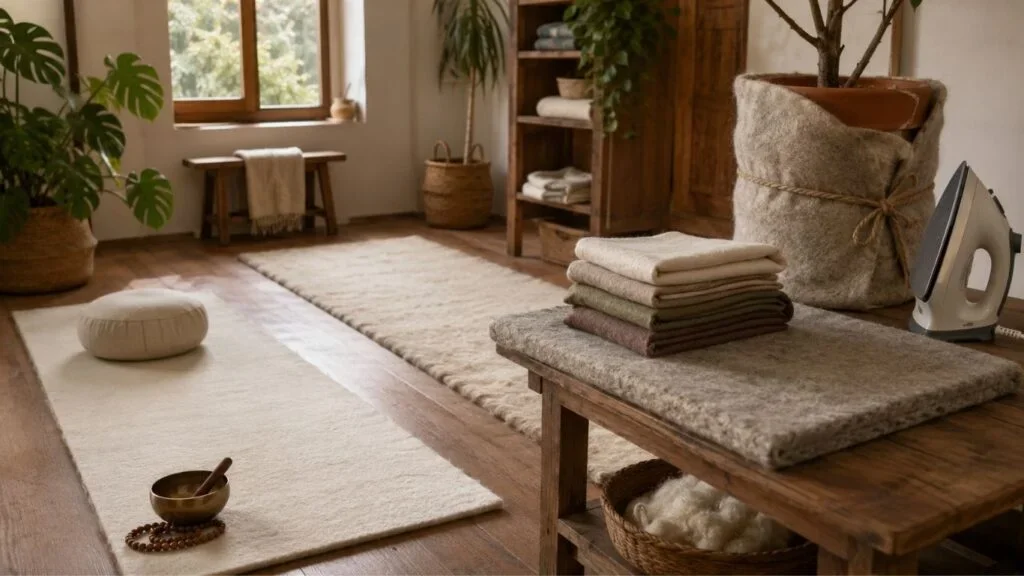
Wool is especially useful because of the unusual structure of its fibers. Each fiber has a natural surface structure that allows neighboring fibers to grip one another. Under suitable conditions involving moisture, heat, pressure, and movement, wool fibers can become tightly interlocked. This is one of the principles behind felted wool.
A finished Wollmatte may therefore be:
- Soft and flexible
- Thick and cushion-like
- Dense and firm
- Woven and structured
- Felted and compact
- Natural-looking and textured
- Designed for decorative or functional use
The right type depends on what the mat is expected to do.
What Does the Word Wollmatten Mean?
“Wollmatten” is a German term.
The word is made from:
- “Wolle,” meaning wool
- “Matten,” meaning mats
The singular form is generally “Wollmatte,” while “Wollmatten” is plural.
Also Read: Application Object Library: A Complete Guide to Oracle E-Business Suite AOL
In English-language searches, people may instead use terms such as:
- Wool mats
- Wool felt mats
- Sheep wool mats
- Natural wool mats
- Wool fiber mats
- Felted wool mats
- Wool insulation mats
- Wool padding
- Wool rugs
- Wool floor mats
This difference in terminology matters for SEO and online shopping because a search for Wollmatten can lead to products described using several different English terms.
How Are Wollmatten Made?
The manufacturing process depends on whether the mat is woven, felted, needle-punched, or otherwise bonded.
1. Wool Collection
The process begins with sheep’s wool. Wool is normally obtained through shearing, which removes the fleece from the sheep.
The fleece contains more than just clean wool fibers. It can also contain:
- Dirt
- Dust
- Vegetable matter
- Natural oils
- Sweat residues
- Small pieces of debris
The raw material therefore needs further processing.
2. Cleaning and Scouring
Raw wool is cleaned to remove unwanted materials. This may involve washing or industrial scouring.
One important natural substance in wool is lanolin, a waxy material produced by sheep’s skin. Some wool products retain some natural lanolin, while highly processed products may have much of it removed.
The amount of processing affects the feel, odor, appearance, and intended use of the final material.
3. Sorting and Preparation
Wool fibers can vary in length, thickness, strength, and color.
Manufacturers may sort fibers according to their properties before further processing. Different wool grades can be selected depending on whether the finished product is intended for textiles, carpeting, insulation, crafts, or industrial purposes.
4. Carding
Carding separates and aligns wool fibers.
The process creates a more uniform layer of fibers and makes the wool easier to transform into a consistent material.
5. Felting
In felted Wollmatten, the fibers are mechanically or chemically processed so that they become interlocked.
Traditional wet felting uses combinations of moisture, heat, pressure, and friction. Modern industrial processes can use machinery to produce large sheets of consistent wool felt.
The result is a dense material that does not require traditional weaving to remain together.
6. Needle Felting
Another method is needle punching or needle felting.
Special needles repeatedly pass through the wool fibers, causing them to become entangled. This can create thick and durable mats with controlled density.
Needle-punched wool is widely useful because manufacturers can produce materials with different thicknesses and densities.
7. Weaving
Some wool mats are woven.
Instead of locking loose fibers together through felting, yarns are interlaced according to a particular pattern. Woven wool can provide a more recognizable textile appearance and may be used for decorative mats, rugs, and floor coverings.
8. Finishing
The final stage may include:
- Trimming
- Cutting
- Washing
- Pressing
- Shaping
- Adding backing
- Applying treatments
- Packaging
The finishing process can have a major effect on how a wool mat performs.
What Makes Wool Different From Synthetic Mat Materials?
Wool has several properties that make it different from materials such as polyester, polypropylene, polyethylene, and many types of synthetic foam.
A major difference is that wool is a natural animal fiber. It has a complex structure rather than being manufactured entirely from petroleum-derived polymers.
Wool fibers can absorb and release moisture without immediately feeling wet. They also have natural resilience, allowing them to recover from compression better than some other natural fibers.
Another important feature is wool’s thermal behavior. Wool fibers trap air, and trapped air can help slow heat transfer.
This does not mean every Wollmatte is automatically an effective insulation product. Performance depends on density, thickness, construction, moisture, and the surrounding system.
Main Benefits of Wollmatten
Wool mats can offer several useful characteristics.
Natural Material
For consumers looking for natural fibers, wool is an attractive option.
Sheep produce wool naturally, and wool can be processed into many forms without requiring the same type of polymer manufacturing used for synthetic fibers.
However, “natural” does not automatically mean that a product has no environmental impact. Transportation, cleaning, processing, dyes, backing materials, packaging, and land management can all affect a product’s overall footprint.
Thermal Insulation
Wool can help reduce heat transfer because its fibers and structure can trap air.
This makes wool useful in some insulation and temperature-management applications.
The actual insulation value of a Wollmatte should be evaluated using product-specific information rather than assuming that all wool mats have the same performance.
Moisture Management
Wool can absorb moisture vapor and release it again as environmental conditions change.
This property can contribute to comfort and humidity management in certain applications.
However, wool should not be treated as waterproof. A wool mat that becomes heavily saturated can behave very differently from a dry wool mat.
Sound Absorption
Dense fiber materials can help absorb certain sound frequencies.
Wool felt is sometimes used in acoustic panels, wall treatments, furniture, and interior products because its fibrous structure can help reduce sound reflection.
A wool mat can therefore be useful where the goal is to reduce echoes or soften a room’s acoustic environment.
Resilience
Wool fibers naturally have a degree of elasticity.
This can help wool-based materials recover after being compressed. Performance still depends heavily on the density and construction of the mat.
Comfort
A soft wool mat can provide a comfortable surface underfoot, particularly when used in appropriate indoor environments.
This is one reason wool remains popular in rugs and other interior textile products.
Natural Texture
Wool has a distinctive appearance and feel.
Depending on processing, a Wollmatte can look:
- Rustic
- Handmade
- Minimalist
- Traditional
- Modern
- Textured
This gives wool mats decorative value in addition to their functional role.
Also Raed: Plor4d85 Pot: What It Means, Possible Uses, Online Context, and How to Evaluate It
Potential Disadvantages of Wollmatten
Wool mats are not perfect for every application.
Higher Cost
High-quality wool can cost more than common synthetic fibers.
Manufacturing methods, wool grade, thickness, density, craftsmanship, and country of origin can all influence price.
Moisture Sensitivity
Although wool handles moisture vapor well, excessive water can create problems.
A wet wool mat may become heavy, take longer to dry, and develop odor if it remains damp for too long.
Care Requirements
Some wool products require more careful cleaning than synthetic mats.
Aggressive washing, excessive heat, or harsh chemicals can damage wool fibers or change the shape of a felted product.
Insect Damage
Certain insects, particularly clothes moth larvae, can damage animal fibers under suitable conditions.
Clean storage and appropriate pest management can help reduce the risk.
Allergies and Sensitivities
Wool itself is not automatically an allergen for everyone. However, some people may react to lanolin, dyes, finishing agents, dust, or other substances associated with wool products.
People with known sensitivities should check product materials and care information carefully.
Are Wollmatten Eco-Friendly?
This is one of the most common questions about wool products.
The short answer is: potentially, but it depends on the entire product life cycle.
Wool is a renewable animal fiber because sheep can produce new fleece. Wool can also be durable and, under appropriate conditions, biodegradable.
However, wool production has environmental impacts. Sheep farming requires land, water, feed, and other resources. Processing and transportation also consume energy.
Therefore, it is more accurate to say that wool is a natural and renewable fiber rather than claiming that every wool mat is automatically sustainable.
Consumers interested in environmental performance should consider:
- Where the wool came from
- How the sheep were raised
- How the wool was processed
- Whether synthetic fibers were added
- Whether chemical treatments were used
- Whether the backing is recyclable
- Product durability
- Repairability
- End-of-life disposal
A durable product that remains useful for many years can have advantages over a cheaper product that needs frequent replacement.
Wollmatten vs. Wool Rugs
Wollmatten and wool rugs can overlap, but they are not necessarily identical.
A wool rug is usually designed primarily as a floor covering or decorative textile.
A wool mat may be designed for a more specialized purpose, such as:
- Padding
- Insulation
- Acoustic treatment
- Crafting
- Workshop use
- Animal bedding
- Protective applications
Some wool mats can function as rugs, while some wool rugs can function as mats. The intended construction is the key difference.
When shopping, look at the manufacturer’s stated application rather than relying only on the word “wool.”
Wollmatten vs. Felt Mats
Felt mats are made from fibers that have been compressed and interlocked.
Wool is one of the most common fibers used to make high-quality felt, but felt can also be produced from synthetic fibers.
Therefore, “felt mat” does not necessarily mean “wool mat.”
If you specifically want a natural wool product, check whether the label says:
- 100% wool
- Pure wool
- Wool felt
- Wool blend
A product described simply as “felt” may contain polyester or another synthetic fiber.
Wollmatten for Home Interiors
Wool mats can be useful in different areas of a home.
Entryways
A durable wool mat can help create a warm and natural entrance area.
However, high-moisture outdoor locations require careful product selection because wool is not inherently waterproof.
Bedrooms
Soft wool floor coverings can add warmth and comfort to bedrooms.
Living Rooms
Wool rugs and mats can provide both visual texture and practical floor coverage.
Offices
Wool felt mats may be useful under furniture or as acoustic materials.
Children’s Areas
A soft natural-fiber mat may be attractive for indoor play areas, but parents should check cleaning instructions, choking hazards from loose components, and product safety specifications.
Wollmatten for Acoustic Applications
Wool felt is sometimes used in acoustic design.
The basic principle is straightforward: sound waves encounter the fibrous material, and some sound energy is absorbed rather than reflected directly into the room.
Acoustic performance depends on factors such as:
- Thickness
- Density
- Surface structure
- Air gaps
- Placement
- Room size
- Frequency range
Simply putting a thin wool mat on a wall will not necessarily produce dramatic soundproofing.
It is important to distinguish sound absorption from soundproofing.
Sound absorption reduces reflections and reverberation inside a room. Soundproofing attempts to reduce sound transmission from one space to another.
These are different goals.
Wollmatten as Insulation
Wool fiber is used in some building insulation products.
A wool insulation mat is engineered differently from a decorative wool rug.
Building insulation requires reliable performance characteristics and should be installed according to applicable building requirements.
Consumers should look for technical specifications such as:
- Thermal resistance
- Density
- Thickness
- Moisture behavior
- Fire performance
- Installation requirements
A decorative Wollmatte should not automatically be substituted for certified building insulation.
Wollmatten in Craft Projects
Wool mats and felt sheets are popular among people who make handmade products.
Possible craft uses include:
- Wall decorations
- Pet accessories
- Furniture padding
- Protective pads
- Bags
- Small organizers
- Costume components
- Home décor
- Textile projects
Wool felt is particularly useful because it can often be cut without producing the same type of unraveling seen in woven fabric.
Wollmatten for Furniture Protection
Wool felt can be placed between surfaces to reduce scratching and friction.
For example, small wool felt pieces may be used beneath furniture legs or between objects.
However, the thickness and density need to match the application. A soft mat may compress too much for heavy furniture.
For valuable furniture, test the material first to make sure dyes, moisture, or treatments will not stain the surface.
Wollmatten for Pets and Animals
Natural wool materials can also be used in animal-related applications.
Wool provides warmth and softness, which can make it useful for certain bedding or resting surfaces.
But pet owners should consider:
- Chewing behavior
- Loose fibers
- Cleaning requirements
- Moisture
- Odor
- Parasites
- Product treatments
A mat designed for home décor is not necessarily suitable for every animal.
Always follow the manufacturer’s intended-use instructions.
How to Choose the Right Wollmatte
Choosing a wool mat becomes much easier when you start with the intended use.
Consider Thickness
Thin mats may work well for decorative, acoustic, or protective applications.
Thicker mats may provide more cushioning and thermal resistance.
Check Density
Density affects firmness, durability, and insulation characteristics.
A very soft mat and a highly compressed industrial wool felt may both be called wool mats, but they can perform very differently.
Check Fiber Content
Look for clear information about fiber composition.
If you want natural wool, determine whether the product is:
- 100% wool
- Mostly wool
- Wool blended with another natural fiber
- Wool blended with synthetic fibers
Check the Backing
Some mats include:
- Rubber backing
- Latex backing
- Fabric backing
- Synthetic backing
- No backing
Backing changes how a mat behaves and can affect recycling and cleaning.
Consider Size
Measure the intended area before purchasing.
For custom projects, remember that thick wool materials can be difficult to cut perfectly without suitable tools.
Check Care Instructions
Always read the manufacturer’s care instructions.
Different wool products may have very different cleaning requirements.
How to Clean Wollmatten
Cleaning requirements depend on construction.
A basic maintenance routine may include:
- Remove loose dust regularly.
- Vacuum gently when appropriate.
- Treat spills quickly.
- Avoid unnecessary soaking.
- Follow the manufacturer’s washing instructions.
- Dry thoroughly after cleaning.
- Avoid excessive heat unless the manufacturer specifically allows it.
Wool can shrink or change shape under certain combinations of heat, moisture, and mechanical action.
For valuable or delicate wool products, professional textile cleaning may be a better option.
How to Store Wool Mats
Proper storage can help extend the life of a Wollmatte.
Before storing it, make sure it is clean and completely dry.
Avoid storing wool in a damp environment. Long-term moisture can contribute to mildew and unpleasant odors.
For longer storage:
- Keep the mat dry.
- Protect it from insects.
- Avoid crushing it under heavy objects.
- Store it away from direct sunlight.
- Use suitable breathable storage materials where appropriate.
Do not seal a slightly damp wool mat in a plastic container and assume it will dry later.
Are Wool Mats Safe?
Wool mats are generally considered practical materials for many ordinary applications, but safety depends on the specific product.
Consumers should check:
- Fiber composition
- Chemical treatments
- Dyes
- Backing materials
- Fire performance
- Intended use
- Manufacturer instructions
For children, pets, workplaces, or building projects, product-specific safety requirements may be important.
Do not assume that a natural material is automatically safe for every situation.
Fire Safety and Wool
Wool is often recognized for its relatively favorable behavior compared with many common textile fibers, but that does not mean every wool mat is fireproof.
Different wool products can have different ignition and flame-spread characteristics.
Treatments, blends, density, construction, and backing materials can all change performance.
If a mat will be used in a commercial building, vehicle, wall system, or other regulated environment, use products with appropriate tested specifications instead of relying on general claims about wool.
Also Read: Shani Levni: Who Is She, What Is Known, and Why the Name Is Trending Online?
Can Wollmatten Get Wet?
Yes.
Wool can absorb moisture, so a wool mat can become wet.
The important issue is what happens afterward.
If the mat dries properly, occasional moisture may not cause permanent damage. Repeated saturation, slow drying, or storage while damp can increase the chance of odor, mildew, distortion, or deterioration.
For bathrooms, outdoor spaces, and other wet areas, select a product specifically designed for those conditions.
Does Wool Have a Natural Smell?
Some wool products have a noticeable natural odor.
This can be stronger in less processed wool and weaker in highly processed products.
Odor may also come from:
- Lanolin
- Residual moisture
- Packaging
- Dyes
- Treatments
- Storage conditions
A persistent strong chemical odor can be a reason to investigate the product’s materials and manufacturing process.
How Long Do Wollmatten Last?
There is no single lifespan for all wool mats.
A lightly used decorative mat may last many years, while a heavily used floor mat may experience faster wear.
Important factors include:
- Fiber quality
- Density
- Thickness
- Traffic
- Moisture
- Cleaning
- Sun exposure
- Maintenance
- Manufacturing quality
One of the strongest advantages of quality wool products is their potential durability. But durability should be evaluated from actual construction and intended use rather than the word “wool” alone.
Are Wollmatten Suitable for American Homes?
Yes, wool mats can be suitable for many U.S. homes.
The best application depends on climate and location.
For example, homeowners in cold regions may value wool’s warmth and insulating characteristics. People in humid regions may need to pay more attention to ventilation and moisture management.
Homes with children or pets may also require products that are easy to clean.
American consumers should therefore choose according to their environment rather than assuming one type of wool mat works equally well everywhere.
Wollmatten and Sustainability in the United States
Sustainability has become an important purchasing consideration in the United States.
Wool can be attractive because it is a renewable natural fiber. However, responsible purchasing requires more than looking at a “natural” label.
Ask where the wool came from and how it was processed.
Also consider product longevity.
If a wool mat lasts significantly longer than a low-cost alternative, the environmental comparison becomes more complicated than simply comparing the raw materials.
Packaging, shipping distance, manufacturing energy, cleaning requirements, and end-of-life options can also matter.
How to Recognize a Quality Wool Mat
Quality is not always obvious from photographs.
When buying online, look for detailed specifications.
A reliable product description should ideally tell you:
- Fiber composition
- Dimensions
- Thickness
- Weight
- Density, when relevant
- Construction method
- Country of manufacture
- Backing material
- Cleaning instructions
- Intended application
Be cautious when a listing repeatedly uses words such as “premium,” “natural,” or “eco-friendly” without providing measurable details.
Clear specifications are generally more useful than marketing language.
Common Mistakes When Buying Wollmatten
Choosing Based Only on Appearance
A beautiful wool mat may not be suitable for heavy traffic or wet environments.
Ignoring Thickness
Thickness can dramatically affect cushioning and thermal performance.
Assuming All Wool Is 100% Wool
Some products are blends.
Ignoring Backing Materials
The backing may contain synthetic materials even when the visible surface is wool.
Using Decorative Mats for Technical Applications
A decorative mat should not automatically be used as building insulation or an industrial component.
Failing to Check Cleaning Requirements
Some wool products cannot tolerate ordinary machine washing.
Wollmatten and Online Search Intent
People searching for “Wollmatten” may have different goals.
Some may be looking for the definition of the term. Others may be researching wool felt, wool rugs, insulation, craft materials, or natural-fiber mats.
Search intent can generally be grouped into four categories.
Informational Intent
The user wants to understand what Wollmatten are and how they are made.
Commercial Investigation
The user is comparing materials, brands, thicknesses, and prices before buying.
Transactional Intent
The user already knows what they want and is looking for a product.
Practical Research
The user may want to know whether wool mats are suitable for insulation, sound absorption, flooring, furniture, crafts, or animal care.
Understanding these different intents helps explain why search results for the term can contain very different types of products.
Wollmatten and Digital Buying Safety
When purchasing wool mats online, basic digital shopping practices are useful.
Check whether the seller provides:
- Clear company information
- Product specifications
- Return policies
- Shipping information
- Secure payment options
- Customer service details
Be cautious of listings that make extraordinary claims without evidence.
Also read reviews critically. A review saying that a mat “feels great” does not tell you whether it performs well as insulation, survives heavy traffic, or remains stable after cleaning.
Frequently Asked Questions About Wollmatten
1. Are Wollmatten always made from sheep wool?
Not necessarily. The term generally refers to wool mats, but individual products may contain blends or other materials. Always check the fiber-content label before purchasing.
2. Can I cut a Wollmatte to a custom size?
Some felted wool mats can be cut to size with appropriate tools. However, cutting can change the appearance and edge stability of certain products. Check the manufacturer’s instructions before modifying the material.
3. Can a wool mat be used outdoors?
Some wool products may tolerate limited outdoor use, but ordinary wool mats are not automatically suitable for outdoor exposure. Rain, humidity, sunlight, dirt, and repeated wetting can shorten their useful life. Choose a product specifically designed for outdoor conditions.
4. Does a thicker Wollmatte always provide better insulation?
No. Thickness is important, but insulation performance also depends on density, fiber structure, moisture, installation, and the surrounding construction. A thicker decorative mat is not automatically better insulation than a properly engineered insulation product.
5. Can Wollmatten be recycled?
The answer depends on the composition and construction of the specific mat. A mat made from pure wool may have different end-of-life options from one containing synthetic backing, adhesives, or mixed fibers. Check local textile and material-recycling programs and the manufacturer’s disposal guidance.
Conclusion
Wollmatten are versatile mats made from processed sheep’s wool. They can be woven, felted, needle-punched, or otherwise formed into dense and useful materials. Their natural properties make them interesting for home interiors, crafts, acoustic applications, insulation products, padding, and other specialized uses.
The most important point is that not every Wollmatte is the same. Wool type, thickness, density, construction method, backing, finishing treatments, and intended use can significantly change how a product performs.
For American consumers, the best approach is to start with the intended application and then compare product specifications. A decorative wool rug should not be treated as building insulation, and a craft felt sheet should not automatically be assumed to work as an industrial mat.
Wool offers several valuable characteristics, including natural resilience, moisture management, thermal properties, and a distinctive texture. At the same time, it requires sensible care and is not the right material for every environment.
Ultimately, understanding what Wollmatten means is only the first step. The better question is what type of wool mat fits a particular need. By examining fiber content, construction, density, thickness, care instructions, safety information, and durability, buyers can make a more informed and practical choice.