Foenegriek: Benefits, Uses, Nutrition, Safety, and What Science Says
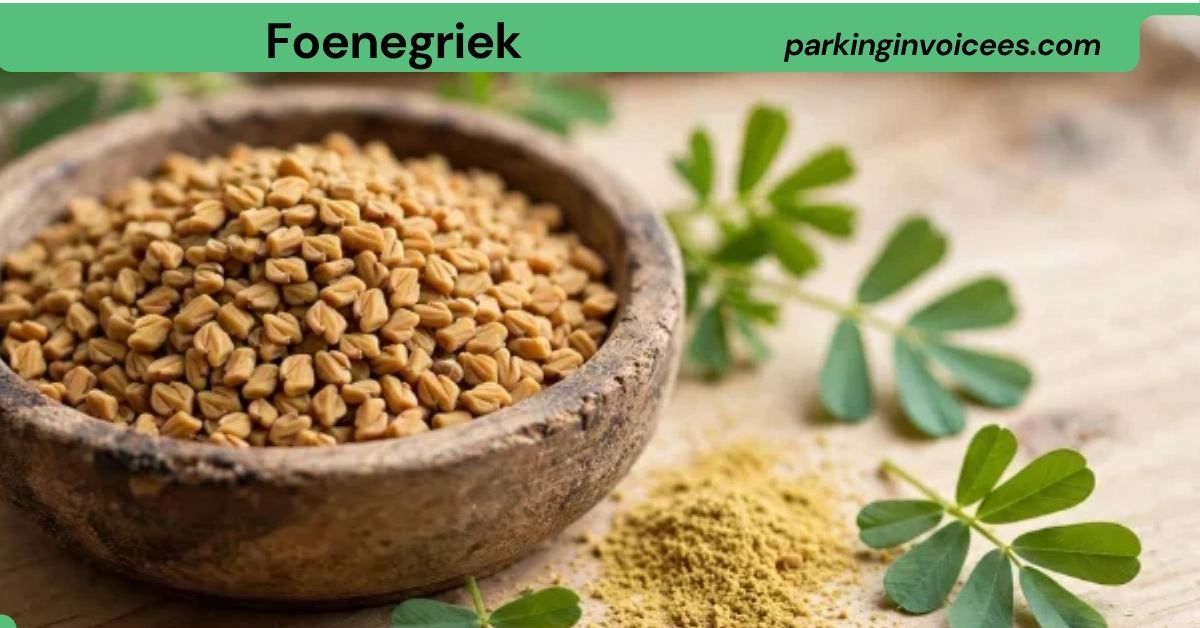
Foenegriek is a traditional herb that has been used as both a food ingredient and a natural remedy for thousands of years. In English, foenegriek is known as fenugreek, and its scientific name is Trigonella foenum-graecum. The plant is especially known for its small, golden-brown seeds, which have a distinctive aroma and a slightly bitter, nutty flavor with a maple-like smell.
Today, foenegriek is attracting renewed attention in the United States. You may find it in spice blends, teas, capsules, powders, extracts, and traditional recipes. It is also commonly discussed in connection with blood sugar, digestion, breastfeeding, women’s health, cholesterol, exercise, and general wellness.
However, there is an important difference between traditional use and proven medical benefit. Some research suggests that fenugreek may have useful effects, particularly on blood sugar, but the overall evidence is still limited for many popular claims. The National Center for Complementary and Integrative Health says there is not enough high-quality evidence to determine whether fenugreek is useful for conditions such as diabetes or menstrual cramps, while research on breastfeeding has produced mixed results.
This guide explains what foenegriek is, how it is used, what it may offer, what science currently says, how to use it as a food, and what safety issues consumers should understand.
What Is Foenegriek?
Foenegriek is another name for fenugreek. It is a plant belonging to the legume family and has been cultivated and used in food and traditional medicine for a very long time.
The plant is relatively small and produces pods containing hard, yellowish-brown seeds. These seeds are the most commonly used part of the plant. Fresh leaves are also eaten in some cuisines.
The scientific name is Trigonella foenum-graecum. According to the National Center for Complementary and Integrative Health, fenugreek is native to areas around the Mediterranean, southern Europe, and western Asia. Its seeds have traditionally been used as a spice and medicinal plant.
In the United States, the word fenugreek is much more common than foenegriek. If you search for foenegriek online or see the term on a food or supplement label, it generally refers to the same plant.
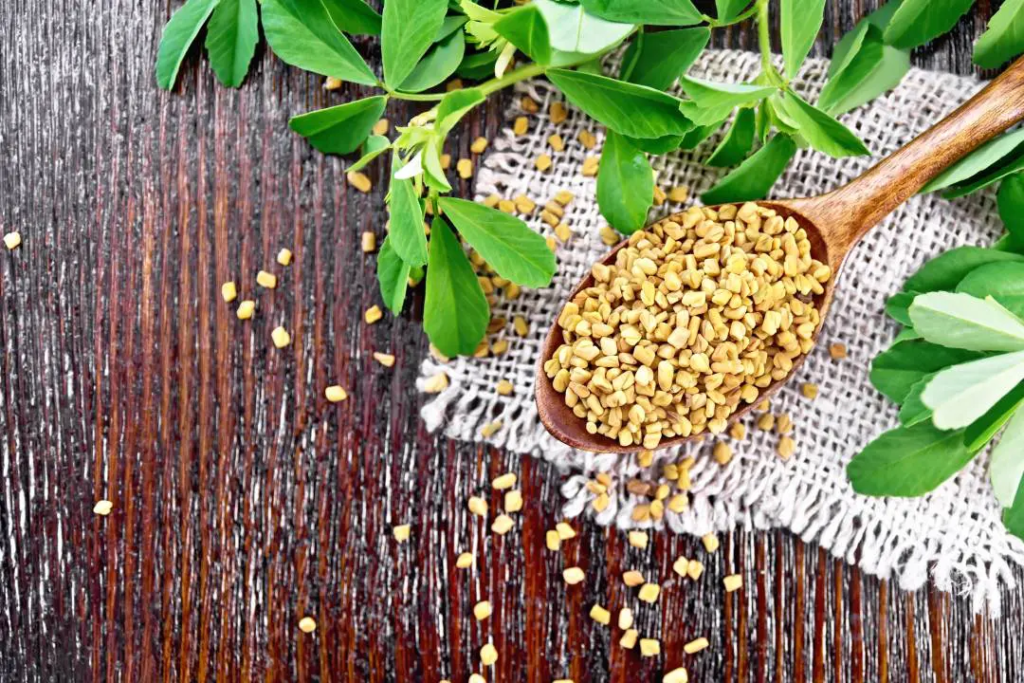
The seeds are particularly interesting because they contain fiber, plant compounds, proteins, and other naturally occurring substances. Some of these compounds are being studied for possible effects on blood sugar and other areas of health.
Still, having biologically active compounds does not automatically mean that a food or supplement can prevent or treat a disease. This distinction is important when evaluating herbal products.
Foenegriek and Fenugreek: Are They the Same?
Yes. Foenegriek and fenugreek generally refer to the same herb.
Fenugreek is the English name. Foenegriek is a name used in Dutch. The scientific name, Trigonella foenum-graecum, provides a more reliable way to identify the plant regardless of language.
You may also see names such as:
- Fenugreek seed
- Fenugreek leaves
- Fenugreek powder
- Fenugreek extract
- Methi
- Trigonella foenum-graecum
- Foenegriek seed
Methi is especially common in South Asian cooking. Both the fresh leaves and dried leaves can be used in recipes, while the seeds are often used as a spice.
This naming difference can be confusing when shopping online, but checking the scientific name is a useful way to make sure you are looking at the intended ingredient.
What Does Foenegriek Taste Like?
Foenegriek has a strong and unusual flavor.
The seeds can taste slightly bitter, earthy, nutty, and warm. They also have a noticeable aroma that many people compare with maple syrup.
The maple-like aroma is one of the most recognizable characteristics of fenugreek. This is one reason fenugreek has been used as a flavoring ingredient in foods and beverages.
Raw seeds can taste much stronger than cooked seeds. Toasting them lightly can change their flavor and make them more suitable for cooking, although excessive heating can make the seeds quite bitter.
If you are trying foenegriek for the first time, using a small amount in a recipe is usually a better introduction than consuming a large quantity on its own.
A Short History of Foenegriek
Foenegriek has a long history that extends far beyond modern supplement trends.
The herb has been used in different traditional food and health practices for thousands of years. Historical use has included culinary applications, traditional tonics, and various home remedies.
The seeds were valued because they were easy to store and had a strong flavor. Their distinctive aroma also made them useful as a seasoning and flavoring ingredient.
Over time, fenugreek became particularly important in cuisines across South Asia, the Middle East, North Africa, and parts of the Mediterranean region.
Today, its culinary role remains one of the most practical ways to use the plant. At the same time, modern researchers have become interested in its plant compounds and their potential biological effects.
This combination of traditional use and modern research explains why foenegriek remains popular.
How Is Foenegriek Used?
Foenegriek can be used in several different forms.
The most common include:
Foenegriek Seeds
Whole seeds are commonly used as a spice. They may be added to curries, sauces, pickles, vegetable dishes, lentil dishes, and spice blends.
Because the seeds have a powerful flavor, only a small amount may be needed.
Foenegriek Powder
Ground fenugreek seeds are easier to mix into foods and drinks. Powder can be added to spice blends, soups, sauces, and some traditional beverages.
The powder is also sold as a dietary supplement.
Foenegriek Leaves
Fresh fenugreek leaves are used in some traditional dishes. Dried leaves are commonly known as kasuri methi in Indian cooking.
The leaves provide a different flavor from the seeds and are often used to add aroma to cooked foods.
Foenegriek Tea
Fenugreek seeds can be steeped in hot water to make a traditional herbal drink.
The taste can be bitter, so some people combine it with other ingredients. However, a tea made from an herb is not automatically a proven treatment for a health condition.
Foenegriek Supplements
Capsules, tablets, powders, and extracts are widely available.
These products can contain much higher concentrations than ordinary culinary amounts. That difference matters because safety and effects can change when an herb is consumed in concentrated form.
The National Center for Complementary and Integrative Health notes that dietary supplements can differ significantly from products studied in research, and supplements can interact with medications or create risks for people with certain medical conditions.
Foenegriek and Blood Sugar
Blood sugar is one of the most researched areas associated with fenugreek.
Some studies suggest that fenugreek may help lower blood glucose levels in people with type 2 diabetes. However, the quality of available research varies.
The National Center for Complementary and Integrative Health states that research has suggested fenugreek may lower blood sugar in people with type 2 diabetes, but many studies have not been high quality. It also says there is not enough high-quality evidence to determine whether fenugreek is useful for diabetes.
This is an important point.
It is reasonable to say that researchers are investigating fenugreek for blood sugar management. It is not reasonable to claim that foenegriek cures diabetes or can replace prescribed diabetes treatment.
Fenugreek may contain fiber and other compounds that could influence digestion and glucose absorption. Researchers have proposed several possible mechanisms, but these mechanisms do not prove that taking a particular supplement will produce a clinically meaningful result.
For someone with diabetes, the biggest concern is that combining a concentrated fenugreek product with glucose-lowering medication could potentially lower blood sugar too much.
Anyone using diabetes medication should discuss fenugreek supplementation with a healthcare professional before making it part of a routine.
Can Foenegriek Help With Diabetes?
The answer requires some caution.
Research is promising enough to justify continued study, but current evidence is not strong enough to treat foenegriek as a proven diabetes therapy.
The NCCIH specifically reports that studies of fenugreek for diabetes have been limited in number, size, and quality.
A practical way to think about this is:
Food use and medical treatment are not the same thing.
Adding a small amount of fenugreek to a balanced meal is very different from taking a concentrated extract specifically to lower blood glucose.
If you have diabetes, your primary treatment plan should come from your healthcare team. Fenugreek should not be used to replace insulin, prescribed medication, monitoring, physical activity, or dietary guidance.
Foenegriek and Digestion
Fenugreek has traditionally been used for digestive purposes.
Its seeds contain fiber and other compounds that may affect digestion. Some people use fenugreek as part of traditional approaches to digestive discomfort.
However, fenugreek can also cause digestive side effects.
According to NCCIH, possible side effects include diarrhea, nausea, and other digestive tract symptoms.
This creates an interesting balance.
A food containing fiber may support normal digestive function for some people, while a concentrated supplement may cause digestive discomfort in others.
If you experience stomach pain, diarrhea, nausea, or other symptoms after taking a fenugreek supplement, stopping the product and speaking with a healthcare professional is sensible.
Foenegriek and Breastfeeding
One of the most popular traditional uses of fenugreek is to support breast milk production.
Fenugreek has been marketed as a galactagogue, which means a substance believed to increase milk supply.
However, scientific evidence is mixed.
NCCIH states that only a small number of studies have examined fenugreek for increasing milk supply and that results have been inconsistent. More high-quality research is needed.
This is especially important because breastfeeding parents may understandably want a quick solution when they are worried about milk supply.
Milk production can be affected by many factors, including feeding frequency, infant latch, milk removal, health conditions, medications, stress, and other issues. Taking an herbal supplement without identifying the underlying problem may not solve the issue.
People who are breastfeeding should also be careful with concentrated herbal products because safety information is limited for larger-than-food amounts.
Foenegriek During Pregnancy
Pregnancy is one area where extra caution is necessary.
NCCIH states that fenugreek is not considered safe during pregnancy in amounts greater than those normally found in food. Its use has been associated with increased risks of birth defects in animals and people.
This means ordinary culinary use and concentrated supplementation should not be treated as equivalent.
If you are pregnant, do not start fenugreek capsules, extracts, medicinal teas, or high-dose powders without discussing them with your healthcare provider.
This is also a good example of why the statement “natural means safe” is misleading. Natural plants can contain biologically active compounds, and some can be harmful at particular doses or during certain stages of life.
Foenegriek and Women’s Health
Fenugreek has traditionally been used for several women’s health concerns, including menstrual discomfort.
Some modern research has investigated whether fenugreek may reduce menstrual pain.
However, NCCIH says the evidence for menstrual cramps is still limited and uncertain.
This does not mean that fenugreek has no potential. It means that current evidence is not strong enough to make a confident medical claim.
Researchers need larger, well-designed clinical studies before we can know how effective fenugreek is, what dose is appropriate, which people might benefit, and how it compares with established treatments.
Foenegriek and Cholesterol
You may also see fenugreek marketed for cholesterol support.
Some research has investigated whether fenugreek can influence blood lipid levels. However, evidence for many of the broader health claims surrounding fenugreek remains insufficient.
It is important not to interpret preliminary findings as proof.
If you have high cholesterol, proven approaches such as an appropriate eating pattern, physical activity, weight management when appropriate, and prescribed medication remain the foundation of treatment.
Fenugreek may be an interesting food ingredient, but it should not be considered a substitute for evidence-based cardiovascular care.
Foenegriek and Weight Loss
Fenugreek is sometimes promoted online as a natural weight-loss ingredient.
This claim deserves skepticism.
Fenugreek seeds contain fiber, and fiber can contribute to fullness as part of a balanced diet. However, that does not mean a fenugreek supplement automatically produces meaningful weight loss.
There is no reason to view foenegriek as a magic fat-burning ingredient.
Sustainable weight management depends on the overall dietary pattern, physical activity, sleep, calorie balance, health conditions, medications, and many other factors.
If a product promises dramatic weight loss simply because it contains fenugreek, the marketing deserves careful examination.
Foenegriek and Exercise
Fenugreek is also found in some sports and performance supplements.
Some manufacturers claim that fenugreek can support strength, testosterone, body composition, or athletic performance.
The problem is that these claims can go well beyond the available evidence.
A supplement containing fenugreek may not resemble the product used in a particular research study. Extract strength, preparation method, dosage, and additional ingredients can all differ.
For people who exercise, basics remain much more important: adequate protein and total nutrition, progressive training, hydration, sleep, and recovery.
Fenugreek may have an interesting place in nutrition, but it should not be presented as a shortcut to muscle growth or athletic performance.
What Nutrients Are Found in Foenegriek?
Fenugreek seeds contain a mixture of carbohydrates, protein, fiber, minerals, and plant compounds.
One reason researchers find fenugreek interesting is its relatively high fiber content compared with many common spices.
However, nutrition numbers can vary depending on the serving size, preparation, processing, and whether the product is made from whole seeds, leaves, or an extract.
This is why it is better to think of fenugreek as a flavorful plant ingredient rather than relying on a supplement to provide large quantities of nutrients.
If your goal is better nutrition, using a variety of whole foods is generally more useful than depending on a single herb.
Important Plant Compounds in Foenegriek
Fenugreek contains numerous naturally occurring compounds.
Researchers have studied compounds such as saponins, alkaloids, flavonoids, and fiber-related components.
One compound that has attracted attention is 4-hydroxyisoleucine, which has been investigated for possible effects on glucose and insulin-related pathways.
Other compounds may contribute to fenugreek’s aroma, flavor, antioxidant activity, and other biological properties.
Also Read: Informering: Meaning, Uses, Examples, and How It Relates to Information Sharing
However, laboratory activity is not the same as a proven health effect in humans.
A compound can show interesting results in a laboratory experiment and still fail to provide a meaningful benefit when consumed by people.
This is why clinical trials are so important.
Is Foenegriek an Antioxidant?
Fenugreek contains plant compounds that have demonstrated antioxidant activity in laboratory and experimental research.
Antioxidants are substances that can help protect molecules from oxidative damage.
This sounds promising, but it is easy for online articles to overstate the meaning of antioxidant activity.
Eating an antioxidant-containing food does not guarantee protection from disease. Human health is influenced by many interacting factors.
A better approach is to include a wide variety of vegetables, fruits, legumes, whole grains, nuts, seeds, herbs, and spices rather than focusing on one “superfood.”
Foenegriek can be one small part of that overall pattern.
Foenegriek as a Culinary Spice
The most straightforward way to use foenegriek is as a food ingredient.
Fenugreek seeds are commonly used in:
- Curries
- Lentil dishes
- Vegetable recipes
- Pickles
- Soups
- Spice blends
- Sauces
- Rice dishes
- Breads
- Traditional teas
The leaves can also be used in cooking.
Using fenugreek as a spice has an important advantage: culinary quantities are generally much smaller than supplement doses.
The FDA’s food ingredient inventory lists fenugreek as a flavoring agent or adjuvant and identifies fenugreek under the name Trigonella foenum-graecum.
This does not mean that every concentrated supplement containing fenugreek is automatically safe. Food use and supplement use are regulated and consumed differently.
How to Cook With Foenegriek Seeds
If you want to experiment with foenegriek, start with a small amount.
The seeds can be lightly toasted before being added to a dish. Toasting can develop their aroma, although burning them can make them extremely bitter.
They can also be combined with other spices.
Because the flavor is strong, fenugreek often works better as part of a spice mixture than as the dominant flavor.
If you are making a recipe for several people, a small amount may be enough to provide the characteristic aroma.
This is one of the easiest ways to enjoy the ingredient without treating it like medicine.
Foenegriek Tea: What You Should Know
Fenugreek tea is traditionally prepared by steeping seeds in hot water.
The drink can have a strong, slightly bitter flavor.
Some people drink it as part of traditional wellness routines. However, claims that fenugreek tea can cure diabetes, rapidly burn fat, detox the body, or treat serious illnesses are not supported by strong evidence.
Tea also contains less concentrated material than some extracts, but the actual amount can vary widely depending on how much seed is used and how long it is steeped.
If you are pregnant, taking medication, or managing a medical condition, it is wise to ask a healthcare professional before using fenugreek medicinally.
Is Foenegriek Safe?
For most adults, fenugreek is generally considered safe when consumed in the amounts normally found in food.
The situation becomes less clear when larger amounts are used as supplements.
NCCIH reports that fenugreek is believed to be safe for adults and children in food amounts. It also notes that possible side effects include diarrhea, nausea, other digestive symptoms, low blood sugar from large doses, and allergic reactions.
This distinction between food and supplement use is one of the most important facts to understand about foenegriek.
A spice used in a meal is not the same as a concentrated capsule containing an extract.
Possible Side Effects of Foenegriek
Potential side effects may include:
- Nausea
- Diarrhea
- Digestive discomfort
- Changes in blood sugar
- Allergic reactions
Some people may tolerate fenugreek well while others do not.
If you develop swelling, difficulty breathing, severe dizziness, or other signs of a serious allergic reaction, seek emergency medical care.
People with known allergies to legumes should also discuss fenugreek use with a healthcare professional before taking concentrated products.
Foenegriek and Medication Interactions
Herbal products can interact with medications.
This is particularly important with fenugreek because it may affect blood sugar.
Someone taking diabetes medication could potentially experience an excessive reduction in blood glucose when adding a concentrated fenugreek product.
Other interactions may also be possible, depending on the product and medication.
The safest approach is to tell your doctor, pharmacist, or other qualified healthcare professional about all supplements you use.
NCCIH advises people taking medications to talk with a healthcare provider before using fenugreek or other herbal products because herbs and medicines can interact in harmful ways.
Who Should Be Careful With Foenegriek?
Extra caution is appropriate for several groups.
These include people who:
- Are pregnant
- Are breastfeeding
- Take diabetes medication
- Have a history of serious food allergies
- Take multiple medications
- Have a medical condition requiring regular treatment
- Are preparing for surgery
- Are considering high-dose supplements
Children should also not be given concentrated fenugreek supplements without professional guidance. NCCIH notes that there is not enough information to establish the safety of amounts greater than those found in food for children.
Foenegriek Supplements Versus Food
This is perhaps the most useful distinction for consumers.
Using foenegriek in food is generally straightforward. A supplement is different.
Supplements can contain concentrated extracts or larger quantities of plant material. They can also contain other ingredients.
NCCIH warns that supplements sold to consumers may differ from products tested in research studies and that supplements can interact with medications or create risks in people with certain medical conditions.
For this reason, more is not necessarily better.
If your interest is primarily culinary, there may be little reason to take a concentrated supplement.
If your goal is a specific health outcome, discuss that goal with a healthcare professional before choosing a supplement.
How to Choose a Foenegriek Supplement
If you decide to purchase a supplement, read the label carefully.
Look for:
- The full ingredient list
- The amount of fenugreek per serving
- Whether the product contains an extract
- Serving instructions
- Manufacturer information
- Lot or batch information
- Expiration information
- Third-party testing when available
Avoid products that make dramatic promises such as “cures diabetes,” “melts fat,” or “replaces medication.”
In the United States, dietary supplements are not approved by the FDA before they are sold in the same way prescription medicines are approved. NCCIH explains that supplement manufacturers are responsible for evaluating safety and complying with applicable requirements before marketing products.
FDA also explains that GRAS status applies to substances used in food under specific conditions and does not mean that every product containing that ingredient is universally risk-free.
What Does FDA Information Say About Fenugreek?
The FDA’s food ingredient database lists fenugreek, or Trigonella foenum-graecum, as a flavoring agent or adjuvant and references its regulatory status under 21 CFR Part 182.
The FDA also lists fenugreek extract separately as a food flavoring ingredient.
This information is useful because it demonstrates that fenugreek has established food-related uses.
However, consumers should not confuse food ingredient recognition with approval of a fenugreek supplement for treating a disease.
A food ingredient can be acceptable for a particular use without proving that a concentrated extract can prevent or treat a medical condition.
Why Scientific Evidence Matters
Natural health topics often suffer from a simple problem: claims move faster than evidence.
A traditional use can inspire scientific research. A laboratory result can lead to a clinical trial. A small clinical trial can produce an interesting result.
But none of these steps alone proves that an herb is an effective treatment.
Strong evidence generally requires well-designed human studies, appropriate comparison groups, enough participants, consistent products, meaningful outcomes, and results that can be repeated.
This is particularly important with fenugreek because different studies may use different preparations and doses.
That means one study cannot automatically be used to make claims about every foenegriek powder, capsule, tea, or extract sold online.
Common Myths About Foenegriek
Myth: Foenegriek Can Cure Diabetes
There is no strong evidence that fenugreek cures diabetes.
Some research suggests it may affect blood glucose, but NCCIH says the evidence is not sufficient to establish its effectiveness for diabetes.
Myth: Natural Means Completely Safe
Natural products can have side effects and interact with medicines.
Fenugreek can cause digestive symptoms, allergic reactions, and potentially low blood sugar when taken in large amounts.
Myth: More Foenegriek Means More Benefits
There is no general rule that increasing the dose produces greater health benefits.
Higher amounts can also increase the chance of side effects.
Myth: Foenegriek Automatically Increases Breast Milk
Evidence is mixed.
NCCIH says it remains uncertain whether fenugreek actually increases milk supply.
Myth: Foenegriek Is Safe During Pregnancy Because It Is a Food
Food amounts and concentrated medicinal amounts are different.
NCCIH specifically warns against using fenugreek in amounts greater than food amounts during pregnancy.
How Much Foenegriek Should You Take?
There is no single universally appropriate dose for foenegriek.
The amount depends on whether you are using whole seeds as a spice, tea, powder, capsule, or concentrated extract.
This is another reason to be cautious about articles that recommend one exact daily dose for everyone.
A dose studied in a research trial may not be appropriate for another product because the preparation can be different.
If you are considering fenugreek for a specific health concern, ask a qualified healthcare professional about whether it is appropriate and which form makes sense.
Can Foenegriek Be Part of a Healthy Diet?
Yes, for many people, using fenugreek as a culinary spice can be a simple way to add variety to meals.
Healthy eating is not about finding one perfect ingredient.
It is about the overall pattern.
A diet rich in vegetables, fruits, legumes, whole grains, nuts, seeds, and other minimally processed foods provides a broad range of nutrients and plant compounds.
Foenegriek can add flavor and cultural variety to that pattern.
This is a more realistic way to think about the herb than treating it as a miracle food.
Foenegriek in Traditional Cooking
Fenugreek has an especially important place in South Asian cooking.
The seeds can contribute bitterness, warmth, and aroma to dishes. Fresh and dried leaves provide another distinctive flavor.
Fenugreek is also found in some traditional spice combinations.
For home cooks in the United States, this makes foenegriek useful not only as a health-related ingredient but also as a way to explore global cuisines.
Trying new herbs and spices can make healthy foods more enjoyable without relying on large amounts of sugar, salt, or heavy sauces.
How to Store Foenegriek
Whole fenugreek seeds generally store better than ground powder because grinding increases the surface area exposed to air.
For best quality:
Keep seeds or powder in a tightly closed container.
Store them in a cool, dry place.
Keep them away from moisture.
Avoid prolonged exposure to direct sunlight.
If the aroma becomes weak or the product develops an unusual smell, it may be past its best quality.
For supplements, follow the manufacturer’s storage instructions.
How to Tell Good Foenegriek From Poor Quality
Quality can vary between products.
Also Read: Crypings Com: A Comprehensive Guide to the Crypto Information Platform
Whole seeds should generally have a recognizable aroma and a clean appearance.
For packaged products, check the expiration date and packaging condition.
For supplements, look for transparent labeling and avoid products that make unrealistic medical promises.
If a product claims that one ingredient can treat numerous unrelated diseases, that should be a warning sign.
Good health information usually includes limitations rather than promising guaranteed results.
Foenegriek and Evidence-Based Wellness
The best use of foenegriek depends on your goal.
If you enjoy its flavor, use it as a spice.
If you are interested in traditional herbal practices, learn about both the potential benefits and the risks.
If you want to use it for a medical condition, discuss it with a healthcare professional.
This approach respects both traditional knowledge and modern evidence.
It also avoids the two extremes that often appear online: claiming that fenugreek is a miracle herb or claiming that it has no possible value at all.
The evidence is more nuanced.
Fenugreek is a useful culinary plant with a long history of traditional use and an active area of scientific research. Some findings are interesting, but many health claims remain unproven.
What Makes Foenegriek Interesting to Researchers?
Fenugreek is interesting because it sits at the intersection of food, traditional medicine, nutrition, and pharmacology.
Its seeds contain several classes of plant compounds, and researchers are studying how these substances may interact with human metabolism.
Blood sugar is one of the most studied areas, while menstrual symptoms and breastfeeding have also received attention.
The research question is not simply whether fenugreek “works.”
Researchers also need to determine:
- Which preparation works best
- Which dose is appropriate
- How long it should be used
- Which people might benefit
- Which people should avoid it
- Whether benefits are clinically meaningful
- How fenugreek compares with established treatments
- What long-term risks may exist
These questions are more useful than a simple yes-or-no answer.
A Practical Way to Think About Foenegriek
A useful framework is to place fenugreek into three categories.
First, there is culinary use. This is the most familiar and straightforward use.
Second, there is traditional medicinal use. This has a long history but does not automatically prove effectiveness.
Third, there is modern supplementation. This involves concentrated products that require more attention to dose, interactions, product quality, and safety.
Confusing these three categories is one of the biggest reasons consumers become misled.
A spice can be safe as food without proving that a concentrated extract treats a disease.
Is Foenegriek Worth Trying?
For culinary purposes, foenegriek can be an interesting addition to a varied diet if you enjoy its distinctive flavor.
For medicinal purposes, the answer depends on the individual and the reason for use.
The evidence is not strong enough to support broad claims that fenugreek treats multiple diseases. NCCIH emphasizes that evidence remains insufficient or uncertain for several commonly promoted uses.
Therefore, the most responsible approach is neither excessive enthusiasm nor unnecessary fear.
Use it as food if you enjoy it.
Be cautious with concentrated supplements.
And seek professional advice when using fenugreek for a medical purpose, especially during pregnancy, breastfeeding, or while taking medication.
Frequently Asked Questions About Foenegriek
What is foenegriek called in English?
Foenegriek is commonly called fenugreek in English. Its scientific name is Trigonella foenum-graecum.
Is foenegriek the same as methi?
Yes. Methi is a common South Asian name associated with fenugreek. Depending on the context, methi may refer to the leaves, while fenugreek seeds refer to the seeds of the same plant.
What part of foenegriek is most commonly used?
The seeds are among the most commonly used parts. Fresh and dried leaves are also used in cooking.
Does foenegriek taste sweet?
Fenugreek is not truly sweet like sugar, but its aroma can resemble maple syrup. Its actual taste is often described as bitter, earthy, and nutty.
Can children use foenegriek supplements?
There is not enough safety information for children taking fenugreek in amounts greater than those found in food. It is better to speak with a pediatric healthcare professional before using a concentrated product.
Can foenegriek replace diabetes medicine?
No. Fenugreek should not replace prescribed diabetes medication or a diabetes management plan.
Does foenegriek contain caffeine?
Plain fenugreek seeds do not naturally function as a caffeine-containing stimulant like coffee or tea leaves. However, packaged herbal drinks may contain additional ingredients, so checking the label is important.
Can foenegriek cause an allergy?
Yes. NCCIH reports that fenugreek can cause allergic reactions, including serious reactions in some people.
Can foenegriek change the smell of the body?
Fenugreek has a strong characteristic aroma, and some people report changes in body or sweat odor after consuming larger amounts. This is one reason some users find concentrated fenugreek products unpleasant.
Is foenegriek better as seeds or powder?
Neither form is automatically better. Whole seeds generally provide better control over how much you use, while powder is convenient for cooking. For supplements, the concentration and formulation matter more than simply choosing seeds or powder.
Can foenegriek be eaten every day?
Small culinary amounts can be included in food for many people. Daily use of concentrated supplements is a different question and should be evaluated based on the person’s health, medications, and reason for use.
Does foenegriek have protein?
Yes. Fenugreek seeds contain protein as well as carbohydrates, fiber, minerals, and other plant compounds. The amount consumed as a spice, however, is usually small.
Can you grow foenegriek at home?
Yes. Fenugreek can be grown from seeds under suitable conditions. It can be cultivated for leaves or allowed to mature for seeds.
Is foenegriek the same as fennel?
No. Foenegriek and fennel are different plants. Fenugreek is Trigonella foenum-graecum, while fennel is Foeniculum vulgare. Their flavors and culinary uses are also different.
Why does foenegriek smell like maple syrup?
Fenugreek contains naturally occurring aromatic compounds that can produce a maple-like smell. This distinctive aroma is one of its most recognizable characteristics.
Is foenegriek a spice or a medicine?
It can be both a culinary spice and an ingredient used in traditional medicine. In modern healthcare, however, a traditional medicinal use should not automatically be considered a proven medical treatment.
Final Thoughts on Foenegriek
Foenegriek is a fascinating herb with a long culinary and traditional history. Known as fenugreek in English and Trigonella foenum-graecum scientifically, it is valued for its distinctive seeds, aromatic leaves, and unusual maple-like fragrance.
Modern research has explored fenugreek for blood sugar, menstrual symptoms, breastfeeding, and several other health concerns. Some results are interesting, but the scientific evidence is not strong enough to support many of the sweeping claims found online. NCCIH currently emphasizes that evidence is limited or uncertain for several major uses.
The most sensible way to approach foenegriek is to separate culinary use from concentrated supplementation.
As a spice, it can add a distinctive flavor to a wide range of foods. As a supplement, it deserves the same careful attention you would give any biologically active product.
People who are pregnant, breastfeeding, taking medication, managing diabetes, or dealing with other medical conditions should speak with a healthcare professional before using fenugreek in medicinal amounts.
Ultimately, foenegriek does not need exaggerated claims to be interesting. It is already valuable as a traditional food ingredient, a culturally important herb, and a subject of ongoing scientific research.
The strongest approach to using it is simple: enjoy it as part of a varied diet when appropriate, understand what the research actually shows, be skeptical of miracle claims, and treat concentrated herbal supplements with care.
That balanced approach provides a much more useful understanding of foenegriek than either calling it a miracle cure or dismissing it completely.