URLWO: A Complete Guide to URL Optimization, Short Links, Tracking, and Link Management
In today’s fast-moving digital world, sharing a clean and easy-to-use web link can make online communication much simpler. Long URLs can look confusing, take up unnecessary space, and become difficult to manage across social media, email, marketing campaigns, and mobile platforms. URLWO is connected with the growing need for smarter URL management, helping make web addresses more convenient to share, organize, redirect, and track. As businesses and everyday users rely more heavily on digital links, understanding how URL optimization works can help improve both convenience and online awareness.
What Is URLWO?
URLWO is a web term currently associated with URL optimization, URL shortening, redirection, tracking, and link management. It can be understood as a URL-focused tool or service concept designed to make long and complex web addresses shorter, cleaner, easier to share, and easier to manage.
A URL, or Uniform Resource Locator, is the address used to access a page, file, image, video, or other resource on the internet. Some URLs are simple and easy to remember. Others can be very long because they contain tracking parameters, product information, session details, search queries, or other technical data.
For example, a website may have a URL that looks like this:
https://example.com/products/category/item?campaign=spring&utm_source=social&utm_medium=post
A URL optimization service can potentially turn a complicated address into a shorter link that is easier to copy and share.
The important point is that URLWO should not automatically be treated as a single universally recognized technical standard. The term may be used online in connection with URL-related services, tools, websites, or concepts. Therefore, users should check the exact website or service they are interacting with before entering information, connecting accounts, or clicking unfamiliar links.
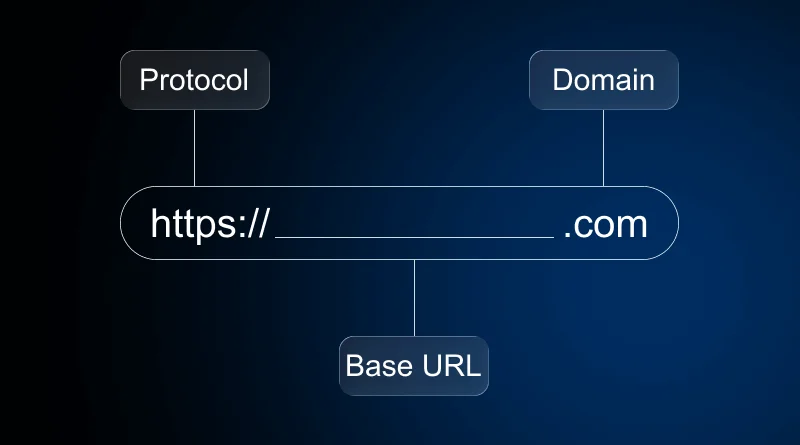
In simple terms, URLWO can be understood as a concept centered on making web links more useful and manageable.
Quick Answer: What Does URLWO Do?
URLWO is associated with tools that can help simplify and manage web addresses.
Depending on the specific service using the name, URLWO may be connected with functions such as:
- Creating shorter URLs
- Redirecting users from one address to another
- Making links easier to share
- Managing multiple links
- Tracking link activity
- Measuring clicks
- Organizing marketing links
- Creating cleaner URLs for digital campaigns
- Helping businesses understand how links perform
However, features can vary between services. A user should always check the actual features, privacy policy, terms of service, and security information of the specific URLWO website or platform they are using.
Why Are URL Optimization Tools Important?
The internet contains billions of web addresses. Many are easy to read, but many others are difficult for people to understand.
Long URLs can create several problems.
They can be difficult to type. They may be broken when copied into messages. They can look unattractive in social media posts. They may also contain unnecessary characters or tracking information.
URL optimization attempts to solve some of these problems by making links more practical.
A well-designed short link can be useful for:
- Social media marketing
- Email campaigns
- Text messages
- Printed materials
- Business promotions
- QR codes
- Advertising campaigns
- Affiliate marketing
- Content sharing
- Digital analytics
The value is not simply that the URL becomes shorter. A good link management system can also make links easier to organize, understand, measure, and update.
How Does URLWO Work?
The basic process behind a URL optimization or shortening service is relatively simple.
First, a user provides a destination URL. This is the original web address that should open when someone clicks the shortened link.
The service then creates another URL. This new address is usually shorter than the original.
When someone clicks the shorter URL, the service receives the request and redirects the visitor to the original destination.
The process can look like this:
Original URL → Short URL → Redirect → Destination Page
For example:
Long website address
becomes:
Short link
When the short link is opened, the user is redirected to the original page.
Behind the scenes, the system may record information about the click. Depending on the service and its privacy practices, this information can include approximate location, device type, browser, referring website, time of access, or other analytics data.
Not every URL shortener collects the same information, so privacy policies matter.
What Is URL Shortening?
URL shortening is the process of converting a long web address into a shorter one.
Short URLs are particularly useful when space is limited.
For example, social media posts, printed advertisements, business cards, SMS messages, and QR codes may benefit from shorter addresses.
A short URL may also look cleaner and more professional.
However, URL shortening has an important disadvantage: the user cannot always see where the link will lead.
A normal URL may reveal the domain and page path. A shortened link may hide the destination.
That is why people should be cautious when clicking unfamiliar short links.
Also Read: Kompama: How the Digital Publishing Platform Works
URLWO and URL Redirection
URL redirection is another important concept related to URLWO.
A redirect tells a browser to move from one URL to another.
There are several common types of redirects.
301 Redirect
A 301 redirect generally indicates that a page has permanently moved to another address.
It is commonly used when:
- A website changes domains
- A page is permanently replaced
- A website structure changes
- Multiple versions of a URL need to point to one preferred address
From an SEO perspective, correctly implemented permanent redirects can help search engines understand that a page has moved.
302 Redirect
A 302 redirect is generally associated with a temporary move.
It can be useful when a website owner wants visitors to temporarily access another page while keeping the original URL.
The exact technical behavior of redirects can depend on implementation and search engine processing.
URLWO and Link Tracking
One of the most useful features of modern link management platforms is tracking.
Link tracking helps website owners understand what happens after they publish a link.
For example, a marketer may want to know:
- How many people clicked the link?
- When did people click it?
- Which campaign produced the clicks?
- Which device did visitors use?
- Which source sent visitors to the link?
- Which links received the most attention?
This information can help businesses measure digital campaigns.
Imagine a company publishes the same product on three platforms:
Instead of using exactly the same tracked URL everywhere, the company may create separate links for each campaign.
The business can then compare the results.
This makes link analytics useful for marketing decisions.
How Link Tracking Can Help Businesses
Businesses often spend money and time creating online campaigns. Without measurement, it can be difficult to determine which campaigns are working.
Link tracking provides another layer of information.
For example, suppose a company receives 10,000 website visits during a month. That number alone does not explain where all the visitors came from.
Tracking links can help divide traffic into different campaigns.
A business might discover that:
- Email generated 4,000 clicks
- Social media generated 3,000 clicks
- QR codes generated 2,000 clicks
- Printed advertising generated 1,000 clicks
The company can use this information to improve future campaigns.
The important insight is that link tracking is most useful when it supports a clear business question. Collecting numbers without understanding what they mean does not automatically improve marketing.
URLWO for Social Media
Social media is one area where URL optimization can be particularly useful.
Platforms often have limited space or display links in a way that can make long addresses unattractive.
A shorter link can make a post easier to read.
Businesses may use short URLs in:
- Facebook posts
- LinkedIn posts
- X posts
- Instagram profiles
- YouTube descriptions
- Online communities
- Digital advertisements
Short links can also make campaign management easier.
For example, a business could create different links for a summer promotion, holiday campaign, product launch, or event registration.
URLWO for Email Marketing
Email marketers also use URL management tools.
Long URLs can make emails look complicated. Shorter links can create a cleaner design.
For example, instead of displaying a large technical address, an email might use simple text such as:
“View the new collection”
The text can point to a destination through a managed URL.
However, marketers should not use link shortening to hide questionable destinations. Trust is extremely important in email communication.
A recognizable domain is often more reassuring than an unfamiliar short domain.
URLWO and QR Codes
QR codes have become common in restaurants, retail stores, events, packaging, transportation, advertising, and business marketing.
A QR code can contain a URL.
Short URLs can make QR code management easier because a shorter destination can sometimes produce a simpler code structure.
More importantly, a managed redirect can potentially allow the destination to be changed without replacing the physical QR code, depending on how the system is designed.
For example, a restaurant could print one QR code on a menu and use it to redirect customers to a digital menu.
Later, the restaurant could update the destination page while keeping the same QR code.
This can reduce the need to reprint physical materials.
URLWO and Digital Marketing
URL optimization can support many areas of digital marketing.
A marketer may use separate links for:
- Paid advertisements
- Organic social posts
- Email newsletters
- Influencer campaigns
- Online events
- Product launches
- Customer surveys
- Landing pages
- Promotional offers
The purpose is not simply to create more links.
The real value comes from organizing those links so that campaign performance can be measured accurately.
This is an important distinction.
A large number of links does not necessarily mean better marketing. Good link management is about clarity, consistency, measurement, and useful decision-making.
Can URLWO Help With SEO?
URL optimization and SEO are related, but they are not the same thing.
Also Read: Navigator Pear: Complete Growing, Care, Hardiness, Size, Flowers, Fruit, and Landscape Guide
Search engine optimization involves improving a website so that its pages can be discovered, understood, and ranked by search engines.
A URL itself is only one part of SEO.
Good website URLs are often:
- Clear
- Relevant
- Descriptive
- Easy to understand
- Consistent
- Free from unnecessary complexity
However, a shortened URL does not automatically improve search rankings.
For example, changing a long URL into a short redirect does not magically make a website rank higher on Google.
SEO success depends on many factors, including content quality, search intent, technical website health, page experience, authority, internal linking, external references, and other signals.
Therefore, URLWO should be viewed primarily as a link management or URL optimization concept rather than an automatic SEO solution.
URL Shortening vs. SEO-Friendly URLs
These two concepts are sometimes confused.
An SEO-friendly URL is normally the actual URL structure of a website page.
For example:
example.com/healthy-breakfast-ideas
is relatively descriptive.
A shortened URL might look like:
short.example/Ab12X
The short URL may be useful for sharing, but it does not provide the same descriptive information.
For a website’s permanent page structure, businesses generally benefit from meaningful URLs.
Short links can then be used for sharing, campaigns, tracking, or offline marketing.
Branded Links and URLWO
Some URL management platforms allow branded links.
A branded short link uses a recognizable domain rather than a generic shortening domain.
For example, a company might prefer a link associated with its own brand.
Branded links can provide several advantages:
- Better recognition
- Greater trust
- Stronger brand visibility
- Easier campaign identification
- Better consistency across marketing channels
However, branded links require proper technical setup and domain management.
Businesses should also protect their domains carefully because compromised domains can damage customer trust.
URLWO and Link Management
URL management becomes increasingly important as a business creates more digital campaigns.
Imagine a company has 500 marketing links.
Without organization, it may become difficult to remember:
- What each link does
- Who created it
- Which campaign uses it
- Whether it is still active
- Where it redirects
- How well it performs
A link management platform can potentially centralize this information.
Good link management may include:
- Link organization
- Naming conventions
- Campaign grouping
- Analytics
- Redirect management
- Access controls
- Link editing
- Reporting
The exact capabilities depend on the service.
What Makes a Good URL Optimization Tool?
If you are evaluating URLWO or another URL management platform, look beyond the ability to shorten a link.
A useful service should be evaluated based on several factors.
Ease of Use
The interface should be understandable.
Users should not need advanced programming knowledge to create and manage basic links.
Reliability
A short link is useless if it frequently stops working.
A professional service should have dependable infrastructure and clear information about service availability.
Security
Security should be a major consideration.
Users should understand how links are protected and whether the platform has security controls for accounts and domains.
Analytics
If tracking is offered, the analytics should be understandable and useful.
Raw click counts are helpful, but good reporting can provide more context.
Privacy
Users should understand what information is collected when links are clicked.
A trustworthy platform should provide clear privacy information.
Customization
Custom URLs can make links easier to recognize.
Depending on the platform, users may be able to customize the final portion of a link or use a branded domain.
Redirect Management
Businesses may need to update destinations without changing published links.
A redirect management feature can be valuable for long-term campaigns.
Is URLWO Safe to Use?
The safety of URLWO depends on the specific website, service, domain, and implementation using that name.
The word itself does not guarantee that a particular website is safe.
This is an important digital literacy lesson.
Users should not assume that a link is trustworthy simply because it is short or uses a familiar-looking name.
Before using an unfamiliar URL service, check:
- The exact domain name
- HTTPS security
- Privacy policy
- Terms of service
- Company information
- Contact information
- Reputation
- Account security options
- Data collection practices
You should also avoid entering sensitive information into a website until you are confident that the website is legitimate.
Privacy Concerns With URL Shorteners
URL tracking can create privacy questions.
When a person clicks a managed link, the service may process technical information.
Depending on the service, this could include information such as:
- IP address
- Approximate geographic area
- Device type
- Browser information
- Operating system
- Time of click
- Referring source
Not every service collects all of this information.
The exact data practices should be explained in the provider’s privacy policy.
For businesses, privacy is especially important because tracking practices may be subject to applicable laws, regulations, contracts, and platform rules.
URLWO and Phishing Risks
Short URLs can be useful, but they can also be abused.
Phishing attacks often attempt to trick people into visiting fake websites.
A shortened link can make the final destination less obvious.
For example, someone might receive a message saying:
“Your account needs verification. Click here.”
The link may redirect to a fraudulent website designed to steal a password.
This is why users should be careful with unexpected links.
Warning signs include:
- Urgent messages
- Threats that an account will be closed
- Requests for passwords
- Requests for financial information
- Unexpected attachments
- Strange domains
- Misspelled company names
- Offers that seem too good to be true
If a message appears to come from a bank, government agency, employer, or major company, it is often safer to visit the organization’s official website directly rather than clicking an unexpected short link.
How to Check an Unfamiliar Short URL
If you receive an unfamiliar short URL, do not click it automatically.
First ask:
Who sent it?
Why did they send it?
Was I expecting this message?
Does the message make sense?
Does the destination domain appear trustworthy?
If the message is unexpected, independently contact the sender through a known communication channel.
Security tools and browser protections may also warn users about dangerous websites, but no protection system is perfect.
Good digital habits remain important.
URLWO and Legal Considerations
URL management itself is generally a normal internet activity.
However, how a URL is used can create legal issues.
For example, links can be used in connection with:
- Copyright infringement
- Fraud
- Phishing
- Malware
- Trademark misuse
- Illegal sales
- Privacy violations
- Unauthorized data collection
The important distinction is between the technology and its use.
A URL shortener is a tool. The legality of a particular link depends on what it points to, how it is used, and the laws that apply.
Businesses should consult qualified legal professionals when a campaign involves significant privacy, intellectual property, advertising, or regulatory concerns.
URLWO for Small Businesses
Small businesses do not always need complicated technology.
A simple URL management system can still be useful.
For example, a local business could create separate links for:
- Online appointments
- Customer reviews
- Seasonal promotions
- Digital menus
- Social media campaigns
- Event registration
This can help the business understand which channels generate engagement.
The best approach is to start with a small number of meaningful links rather than creating dozens without a clear purpose.
URLWO for Content Creators
Content creators can use link management for their websites, newsletters, videos, podcasts, and social media profiles.
For example, a creator may have a long URL for a particular resource.
A shorter link can be easier to mention verbally or display in a video.
Link tracking can also help creators understand whether an audience is responding to a particular promotion.
Creators should still be transparent when links are associated with affiliate programs, sponsored campaigns, or other commercial relationships.
URLWO for Advertising Campaigns
Paid advertising requires measurement.
If a company spends money on an advertisement, it needs to know whether people are responding.
Tracked links can help connect clicks to specific advertisements or campaigns.
For example:
Campaign A → Link A
Campaign B → Link B
Campaign C → Link C
The business can then compare the results.
However, marketers should not confuse clicks with business success.
A campaign can receive many clicks but generate few sales.
A smaller campaign may produce fewer clicks but more customers.
The most useful metric depends on the business goal.
Common Mistakes When Using URL Shorteners
Several mistakes can reduce the value of URL optimization.
Using Short Links Everywhere
Not every link needs shortening.
If a normal URL is already short, clear, and trustworthy, changing it may provide little benefit.
Hiding the Destination
A link should not be deliberately disguised to trick users.
Transparency builds trust.
Ignoring Expiration
Some services may have policies that affect the lifespan of links.
Businesses should understand whether links remain active indefinitely.
Failing to Track Campaigns Properly
Using one identical link everywhere can make campaign analysis difficult.
Ignoring Privacy
Tracking data should be handled responsibly.
Using Untrusted Services
A cheap or unknown service is not automatically a good service.
Reliability, security, privacy, and support matter.
How to Use URLWO Responsibly
If you decide to use a URLWO-related service, follow a few basic principles.
First, verify the exact website.
Second, read the service’s privacy and security information.
Third, use strong account security.
Fourth, keep track of important links.
Fifth, avoid using short links to hide suspicious destinations.
Sixth, regularly review old campaign links.
Seventh, make sure marketing tracking follows applicable privacy and advertising requirements.
Finally, remember that a URL is part of the user’s experience.
Also Read: Wenrath: A Complete Guide to the Small German Locality
A good link should make the internet easier to navigate, not less transparent.
URLWO and User Experience
User experience is an important part of link design.
A good link should help users feel confident about what happens after they click.
Short links can improve usability when they are easy to recognize and remember.
For example, a simple campaign link may be easier to say during a podcast or presentation than a long technical address.
But the shortest possible URL is not always the best URL.
A balance between simplicity, clarity, trust, and functionality is usually better.
URLWO and Mobile Users
Most internet users access websites through mobile devices.
Long URLs can be difficult to type on a smartphone.
A shorter URL can reduce typing and make sharing easier.
This is particularly useful for:
- SMS
- Mobile advertising
- QR codes
- Social media
- Messaging applications
Mobile users also need stronger security awareness because links received through text messages can be used in phishing scams.
URLWO and Analytics: What Should You Measure?
If a URL management service provides analytics, avoid focusing only on total clicks.
Useful questions include:
- Which campaign generated the most engagement?
- Which traffic source performed best?
- Did clicks lead to meaningful actions?
- Are users returning?
- Which device category is most common?
- Are some links receiving suspicious traffic?
The best analytics strategy starts with the business objective.
If the goal is awareness, impressions and clicks may matter.
If the goal is sales, conversions may matter more.
If the goal is registrations, completed forms may be the key metric.
The Difference Between Clicks and Conversions
This distinction is extremely important.
A click means someone interacted with a link.
A conversion means the visitor completed a desired action.
For example, a conversion might be:
- Purchasing a product
- Signing up for a newsletter
- Booking an appointment
- Registering for an event
- Downloading a resource
A campaign with 10,000 clicks and 10 purchases may be less successful than a campaign with 1,000 clicks and 100 purchases.
Therefore, URLWO or any link tracking system should be used as part of a broader measurement strategy.
Can URL Shortening Improve Website Speed?
A shortened URL does not automatically make the final website faster.
The short link introduces a redirect before the destination page loads.
In some situations, that extra step may add a small amount of latency.
Website speed depends on many other factors, including:
- Hosting
- Server response time
- Images
- JavaScript
- CSS
- Content delivery networks
- Caching
- Third-party scripts
Therefore, URL shortening should not be presented as a website performance optimization technique.
Its primary benefits are sharing, management, redirection, and tracking.
The Future of URL Optimization
The internet continues to become more complex.
Businesses now operate across websites, social platforms, mobile applications, QR codes, digital advertisements, email, messaging systems, and other channels.
This creates a growing need for organized link management.
Future URL tools may increasingly focus on:
- Better analytics
- Privacy-friendly measurement
- Automated campaign organization
- Branded links
- Dynamic redirects
- QR code management
- Security monitoring
- Fraud detection
- Integration with marketing platforms
- Improved reporting
Artificial intelligence may also help analyze link data.
For example, AI could potentially identify unusual click patterns, categorize campaigns, summarize performance, or identify links that may need attention.
However, automation should not replace human review, particularly when security and privacy are involved.
How URLWO Fits Into Modern Digital Literacy
Understanding URLWO and similar tools teaches an important internet skill: not every URL should be trusted simply because it works.
People should learn to distinguish between:
- A website domain
- A shortened URL
- A redirect
- A tracking parameter
- A landing page
- A legitimate business website
- A suspicious destination
This knowledge can help users make safer decisions online.
Digital literacy is not about avoiding every unfamiliar link.
It is about knowing how to evaluate links before interacting with them.
Frequently Asked Questions About URLWO
1. Does URLWO require technical knowledge?
A URL optimization or shortening service is generally designed to be easy to use, so basic users may not need programming skills. Advanced features such as custom domains, API integrations, automated redirects, and analytics systems may require more technical knowledge. The exact requirements depend on the specific URLWO service or platform.
2. Can a shortened URL stop working?
Yes, a shortened URL can potentially stop working. This may happen if the service shuts down, the account is disabled, the destination is removed, the domain expires, or the link is deleted. Before using short links for printed materials or long-term campaigns, users should understand the provider’s link retention policies.
3. Can a short URL be edited after it is published?
Some URL management systems allow the destination behind a short link to be changed. Others may not. This feature can be valuable for marketing campaigns because the same published link may be redirected to a new page. Users should verify this capability before relying on it for permanent materials.
4. Are URL shorteners useful for printed advertising?
Yes. Short links can be easier to type from a poster, flyer, business card, billboard, or printed advertisement. They can also be useful alongside QR codes. However, the destination should remain trustworthy and easy for users to understand.
5. Should businesses create their own URL shortening system?
It depends on the business. A small company may find a professional third-party service easier to manage. Larger organizations with specialized security, branding, analytics, or infrastructure requirements may consider building or hosting their own system. The decision should consider cost, maintenance, security, reliability, and technical resources.
Final Thoughts on URLWO
URLWO is best understood as a term associated with URL optimization and link management, including functions such as shortening, redirection, tracking, and sharing.
The basic idea is simple: make web addresses easier to use and manage.
But modern URL management goes beyond making a link shorter. Businesses and individuals may use managed links to organize digital campaigns, measure clicks, support QR codes, improve sharing, and maintain control over redirects.
At the same time, users should understand the risks. Short URLs can hide the final destination, and tracking systems may collect information about link activity. This makes security and privacy important parts of responsible URL use.
For businesses, the best URL strategy is not necessarily the one that creates the shortest links. It is the one that combines usability, reliability, security, transparency, analytics, and long-term management.
For everyday internet users, the most important lesson is simple: never judge a link only by how short or attractive it looks. Check who sent it, consider where it may lead, and avoid entering sensitive information on unfamiliar websites.
As online communication continues to expand across websites, social media, mobile devices, QR codes, advertising, and messaging platforms, URL optimization will remain a useful part of digital infrastructure. Whether URLWO refers to a particular service or is being used as a broader term for URL management, understanding how these systems work can help users share information more effectively and navigate the web more safely.