Glamping Economy: Market Growth, Business Opportunities, Costs, Trends, and the Future of Outdoor Hospitality
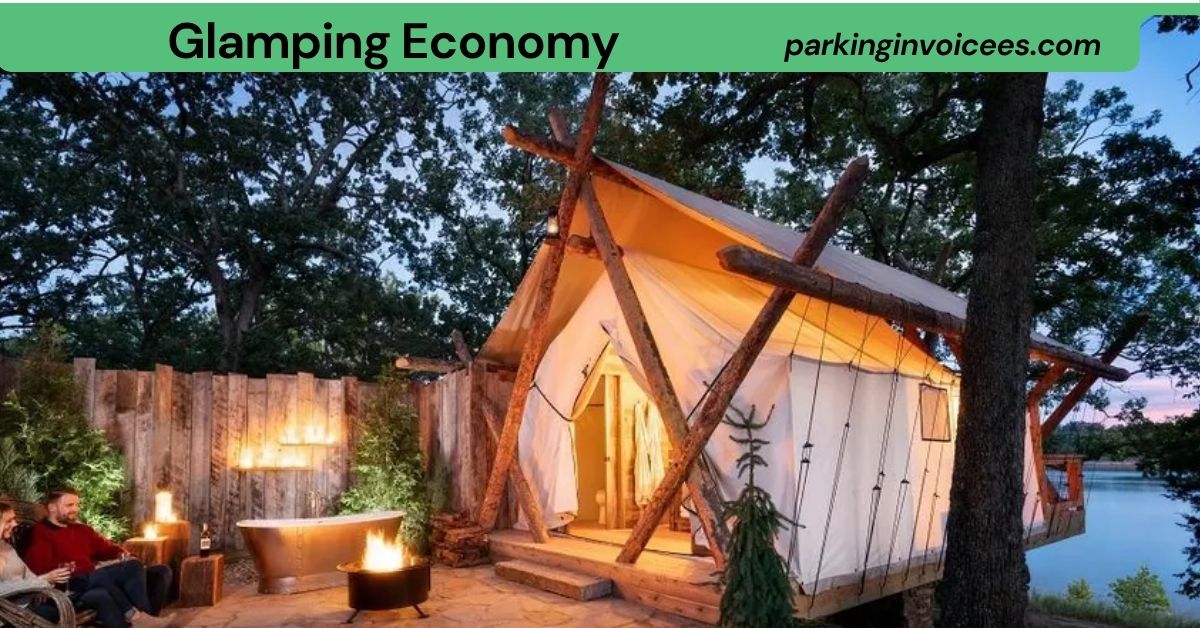
The glamping economy is changing the way many Americans think about travel, camping, and outdoor hospitality. Traditional camping usually means tents, sleeping bags, shared facilities, and a simple connection with nature. Glamping takes a different approach. It combines outdoor settings with many of the comforts people expect from hotels, vacation rentals, or resorts.
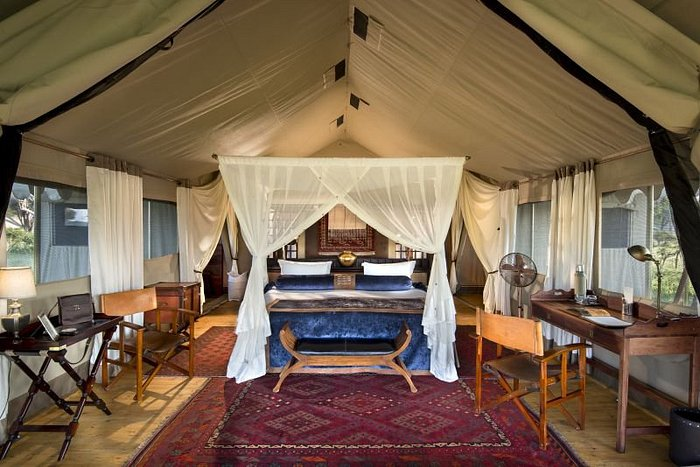
The word “glamping” comes from “glamorous camping.” Today, it can include luxury tents, yurts, cabins, domes, treehouses, tiny homes, safari tents, and other unusual accommodations. Depending on the property, guests may also find private bathrooms, real beds, electricity, heating and cooling, kitchens, hot tubs, Wi-Fi, fire pits, and other amenities.
This combination has created a growing economic sector within outdoor recreation and hospitality.
Several market research firms expect strong growth in the coming years, although their estimates differ because they use different definitions and methodologies. For example, Grand View Research estimates the U.S. glamping market generated about $829.4 million in 2025 and projects it could reach approximately $2.06 billion by 2033. Another 2026 market analysis estimates the U.S. market at about $994.5 million in 2025 and projects $2.80 billion by 2034.
A frequently cited global projection places the glamping market at about $3.71 billion in 2025 and $7.36 billion by 2032. Because market reports differ in scope, readers should treat individual forecasts as estimates rather than guaranteed outcomes.
The important point is not one exact market number. The bigger story is that glamping is becoming a recognized part of the U.S. outdoor hospitality economy.
What Is the Glamping Economy?
The glamping economy refers to the businesses, workers, customers, investments, services, and supporting industries connected to glamping.
It includes much more than the nightly price of a tent or cabin.
A glamping property may generate revenue from:
- Accommodation bookings
- Cleaning fees
- Food and beverage services
- Outdoor activities
- Guided experiences
- Wellness services
- Equipment rentals
- Special events
- Weddings and celebrations
- Merchandise
- Transportation
- Pet fees
- Premium amenities
- Private experiences
The economic activity also extends beyond the property itself.
A glamping site may purchase tents from manufacturers, hire local builders, use nearby plumbers and electricians, contract cleaning companies, purchase food from local suppliers, advertise through digital agencies, and send guests to nearby restaurants and attractions.
This creates a broader local economic effect.
In simple terms, the glamping economy sits at the intersection of tourism, real estate, hospitality, outdoor recreation, travel technology, construction, and experience-based entertainment.
Why Is the Glamping Economy Growing?
Several forces are supporting the growth of glamping in the United States.
One major factor is changing consumer behavior.
Many travelers want to spend time outdoors but do not want the inconvenience associated with traditional camping. They may enjoy forests, mountains, deserts, lakes, beaches, or rural landscapes while still wanting a comfortable bed, private bathroom, electricity, and reliable climate control.
Glamping offers a middle ground.
A guest does not have to choose between a traditional hotel and a basic tent. They can have an outdoor setting with many hotel-like conveniences.
Market research also points to demand from younger travelers. Grand View Research says millennials and Gen Z are important drivers of the North American market, while other demographic groups are also participating.
Also Read: Hypackel: Its Meaning, History, Online Games, Safety, and Digital Risks
This is important because glamping is not limited to one age group.
Couples may use glamping for weekend trips. Families may choose cabins or safari tents because they are easier than traditional camping. Older travelers may appreciate private bathrooms and comfortable beds. Remote workers may value Wi-Fi and peaceful surroundings.
The result is a wider customer base than traditional camping alone.
Glamping Economy Market Size and Growth
There is no single universally accepted number for the size of the glamping economy.
Market research companies use different definitions. Some include only specific accommodation types. Others include broader outdoor lodging categories. Some focus on revenue, while others measure bookings, properties, or related activities.
For this reason, estimates should be compared carefully.
Grand View Research estimates that the U.S. glamping market reached $829.4 million in revenue in 2025 and could reach $2.055 billion by 2033, representing an estimated 11.9% compound annual growth rate from 2026 to 2033. It identifies cabins and pods as the largest accommodation segment in 2025 and tents as the fastest-growing segment in its forecast.
A separate 2026 report from IMARC estimates the U.S. market at $994.5 million in 2025 and forecasts $2.8013 billion by 2034, with an estimated 11.59% CAGR from 2026 through 2034.
At the North American level, Grand View Research estimates a 2025 market size of approximately $993.2 million and projects growth to about $2.61 billion by 2033.
These figures show a common pattern: strong expected growth, but different estimates depending on the research method.
What Does the $7.36 Billion Projection Mean?
The $7.36 billion figure is associated with a global market projection for 2032.
One market summary reports a global glamping market value of approximately $3.40 billion in 2024, $3.71 billion in 2025, and a projected $7.36 billion by 2032, representing a forecast CAGR of about 10.27%.
It is useful as a broad indicator of industry momentum, but it should not be confused with the U.S. market size.
The U.S. is one part of the global market.
The most reliable way to understand the glamping economy is therefore to look at several measures together: market revenue, booking activity, nightly rates, accommodation supply, customer demand, and investment activity.
How the Glamping Economy Makes Money
The basic glamping business model is simple.
An operator creates an attractive outdoor accommodation, makes it available for short stays, and charges guests for each night.
However, the strongest businesses often have several revenue streams.
1. Nightly Accommodation Revenue
This is normally the core source of income.
Rates depend on location, season, accommodation type, amenities, privacy, brand reputation, and local competition.
A simple tent in a rural area may have a very different rate from a luxury treehouse near a major tourist destination.
The 2025 State of the Industry data published by Glamping Show Americas reports an average daily rate of $251 for the U.S. glamping industry. The organization also notes that pricing, financing, operating conditions, and guest expectations are major issues for current operators.
Average rates should not be treated as a guaranteed price for every property.
2. Premium Amenities
Operators can increase revenue by offering optional amenities.
Examples include:
- Private hot tubs
- Firewood packages
- Breakfast baskets
- Outdoor dining
- Sauna access
- Guided hikes
- Equipment rentals
- Romantic or anniversary packages
- Pet-friendly services
- Late checkout
- Private transportation
The important business principle is to create useful value rather than simply adding fees.
3. Experiences
Experience-based tourism is especially important to the glamping economy.
A property might offer:
- Hiking
- Stargazing
- Kayaking
- Fishing
- Horseback riding
- Wildlife viewing
- Photography walks
- Cooking classes
- Nature education
- Yoga
- Wellness activities
These activities can make a property more than a place to sleep.
4. Events
Some glamping businesses use their property for small weddings, retreats, corporate gatherings, family celebrations, and private events.
Events can create revenue outside the normal accommodation cycle.
However, events may also create additional insurance, noise, parking, staffing, zoning, and permitting requirements.
Popular Types of Glamping Accommodation
Glamping is not one specific type of building.
The industry uses many structures.
Luxury Tents
Luxury tents are one of the most recognizable forms of glamping.
They can range from simple canvas tents with comfortable furniture to large structures with bathrooms, kitchens, heating, air conditioning, and private outdoor areas.
Yurts
Yurts are circular structures traditionally associated with Central Asian nomadic architecture.
Modern commercial yurts can be customized for hospitality use. They are popular because they create a distinctive guest experience while offering more space than many traditional tents.
Cabins and Pods
Cabins and pods have become important in the U.S. market.
Grand View Research identifies cabins and pods as the largest U.S. glamping accommodation segment in its 2025 market analysis.
They can appeal to travelers who want a stronger feeling of permanence and comfort.
Treehouses
Treehouses offer a strong experience-based selling point.
Their appeal often comes from uniqueness, views, privacy, and the feeling of staying somewhere unusual.
However, engineering and safety requirements can make treehouse projects more complex.
Geodesic Domes
Domes have become popular because they can provide wide views and a visually distinctive experience.
They are often marketed around stargazing, scenic landscapes, and modern design.
Tiny Homes
Tiny homes can function as compact vacation accommodations.
Their suitability depends heavily on local building codes, zoning rules, utility requirements, and how the local authority classifies the structure.
Where Is the U.S. Glamping Economy Growing?
Glamping can work in many geographic settings, but location is one of the most important factors in the business model.
Strong locations often combine natural attractions with reasonable access.
Examples include areas near:
- National parks
- State parks
- Mountains
- Lakes
- Rivers
- Beaches
- Forests
- Vineyards
- Ski destinations
- Rural tourism areas
- Major outdoor recreation destinations
A beautiful property that is extremely difficult to reach may have weaker demand than a slightly less dramatic property located within a few hours of a large population center.
This leads to an important insight: glamping is not simply a land business. It is an accessibility business.
Guests usually want nature without excessive travel difficulty.
The Role of Millennials and Gen Z
Younger travelers are an important part of the glamping economy.
Research on the North American market points to millennials and Gen Z as major demand drivers.
These groups often place value on experiences, memorable trips, distinctive accommodations, and social-media-friendly destinations.
But operators should avoid assuming that all younger travelers want luxury.
Many consumers are also price-sensitive.
This creates an opportunity for businesses that offer different accommodation levels.
For example, a property could have premium cabins, mid-range tents, and simpler outdoor units.
This allows the operator to serve different budgets without abandoning the core outdoor experience.
Why Social Media Matters to the Glamping Economy
Glamping is highly visual.
A normal hotel room can be difficult to distinguish from hundreds of other hotel rooms.
A glass dome overlooking a mountain range is different.
A treehouse surrounded by trees is different.
A luxury safari tent beside a lake is different.
This makes visual platforms powerful marketing channels.
Photos and videos can show the experience before the customer books.
However, operators should avoid creating unrealistic expectations.
If promotional images show a private, peaceful setting but the actual property is close to a busy road or neighboring units, negative reviews may follow.
Trust is therefore part of the business model.
Accurate photos, clear descriptions, realistic expectations, and transparent pricing are important for long-term success.
Glamping Business Startup Costs
One of the most common questions about the glamping economy is how much it costs to start a glamping business.
There is no single answer.
A small operation on land that already has utilities may require a relatively modest investment.
A large resort requiring new roads, water systems, wastewater infrastructure, electrical service, multiple units, bathrooms, landscaping, and other facilities can require hundreds of thousands or even millions of dollars.
One 2026 analysis emphasizes that the cost range can be extremely wide because the scope of the project changes the financial requirements.
A previous North American estimate from Glampitect illustrated the difference clearly. Its hypothetical 10-yurt project, assuming the land was already owned, totaled about $755,000, including groundworks and utilities, fitted yurts, hot tubs, permits and surveys, and a website. The company also notes that much smaller projects can cost far less.
These numbers are examples, not universal industry prices.
Major Glamping Startup Expenses
Common expenses include:
- Land purchase or lease
- Site surveys
- Zoning and planning
- Accommodation structures
- Roads and driveways
- Water supply
- Wastewater systems
- Electricity
- Internet connectivity
- Bathrooms
- Landscaping
- Furniture
- Appliances
- Outdoor amenities
- Insurance
- Permits
- Website development
- Booking software
- Marketing
- Working capital
One of the biggest mistakes new operators can make is focusing only on the accommodation unit.
The tent, cabin, dome, or yurt is highly visible.
Infrastructure is not.
But infrastructure can consume a major portion of the budget.
Why Infrastructure Matters So Much
Imagine buying ten beautiful glamping tents.
The tents look perfect.
Then you discover that the property needs a new septic system, a long electrical connection, a new driveway, drainage improvements, water infrastructure, fire-safety measures, and bathroom facilities.
The original budget can change quickly.
This is why feasibility work should happen before major land or construction commitments.
The American Glamping Association similarly highlights market research, feasibility, land, zoning, permitting, utilities, site development, marketing, and financial planning as important areas for new operators.
Is Glamping a Profitable Business?
Glamping can be profitable, but profitability is not automatic.
Revenue depends on occupancy, nightly rates, seasonality, operating expenses, financing costs, taxes, maintenance, staffing, and the amount invested in the property.
A simple example shows the concept.
Suppose a unit charges $250 per night.
If it sells 200 nights during a year, gross accommodation revenue would be:
$250 × 200 = $50,000.
If the same unit sells 280 nights:
$250 × 280 = $70,000.
But this is gross revenue, not profit.
The operator still has costs.
These may include:
- Cleaning
- Laundry
- Utilities
- Repairs
- Insurance
- Property taxes
- Booking commissions
- Marketing
- Labor
- Supplies
- Landscaping
- Maintenance
- Loan payments
- Management
- Taxes
This is why occupancy and pricing must be analyzed together.
A high nightly rate does not necessarily produce a successful business if occupancy is very low.
Likewise, high occupancy can create operational problems if prices are too low to cover costs.
Seasonality in the Glamping Economy
Seasonality is one of the biggest challenges.
A mountain property may be highly popular during fall foliage and summer but much quieter in winter.
Also Read: Harouxinn: Meaning, Digital Identity, Framework, Uses, Risks, and Future
A beach property may experience the opposite pattern.
A successful operator thinks about the entire calendar.
Possible strategies include:
- Winter packages
- Holiday stays
- Wellness retreats
- Work-from-nature packages
- Fall foliage marketing
- Spring outdoor activities
- Longer stays
- Midweek discounts
- Local resident offers
- Corporate retreats
The goal is not simply to fill every night with discounts.
The goal is to create demand when customers have a reason to visit.
Technology and the Modern Glamping Business
Technology has become an important part of the glamping economy.
Many operators now use digital systems for:
- Online reservations
- Automated guest messages
- Digital check-in
- Payment processing
- Dynamic pricing
- Cleaning schedules
- Maintenance management
- Review collection
- Customer relationship management
- Website analytics
Technology can reduce administrative work.
However, automation should not eliminate hospitality.
Guests may still need a human response when something goes wrong.
A broken heater, water problem, storm, road closure, or medical emergency cannot always be solved by an automated message.
The strongest operators combine technology with human service.
Direct Bookings Versus Online Travel Platforms
Online travel platforms can help a new property gain visibility.
They may bring customers who would never have discovered the business otherwise.
But platform fees and dependence on third-party companies can create challenges.
Direct bookings can give operators more control over the customer relationship.
A balanced strategy may involve both.
A property can use major platforms for discovery while building a strong website and brand that encourage repeat guests to book directly when appropriate.
North American market research indicates that direct booking already represents a significant portion of glamping bookings, showing the importance of a property’s own digital presence.
Sustainability and the Glamping Economy
Sustainability is an important issue because glamping depends on natural environments.
Guests may be attracted to forests, mountains, rivers, deserts, and other natural settings.
If operators damage those environments, they can weaken the very feature that attracts customers.
Sustainable practices may include:
- Efficient water use
- Solar power where practical
- Energy-efficient lighting
- Waste reduction
- Recycling
- Low-impact construction
- Native landscaping
- Responsible wastewater management
- Reusable amenities
- Local sourcing
- Reduced single-use plastics
However, sustainability claims should be accurate.
Calling a property “eco-friendly” does not automatically make it sustainable.
Operators should be able to explain what they actually do.
Glamping and Local Communities
The glamping economy can benefit rural communities.
A visitor may spend money on accommodation and then visit a nearby restaurant, coffee shop, gas station, farm, attraction, outdoor guide, or local store.
This creates an economic multiplier.
But development can also create concerns.
Communities may worry about:
- Traffic
- Noise
- Wastewater
- Water consumption
- Wildlife
- Fire risk
- Privacy
- Property values
- Land use
- Crowding
A responsible glamping business should consider the local community before development begins.
Community relationships can become a long-term competitive advantage.
Zoning, Permits, and Legal Requirements
Anyone considering a glamping business in the United States should understand that glamping is not automatically exempt from normal property and hospitality regulations.
Rules can vary by state, county, city, township, zoning district, and property.
Possible requirements may involve:
- Zoning approval
- Building permits
- Temporary structure rules
- Septic approval
- Water regulations
- Fire safety
- Health requirements
- Business licenses
- Short-term rental registration
- Occupancy taxes
- Sign regulations
- Parking
- Accessibility
- Environmental rules
Airbnb’s current guidance similarly warns that local zoning, administrative codes, permits, licenses, and taxes can affect short-term accommodation businesses.
The key lesson is simple: never assume that because something is called a “tent,” it is legally treated like ordinary camping.
A county may classify a structure based on how it is used, how long it remains in place, whether it has utilities, or other factors.
Local legal advice and direct communication with planning and building departments can prevent expensive mistakes.
Insurance and Risk Management
Glamping involves physical property and paying guests.
That creates risks.
Potential issues include:
- Slips and falls
- Fires
- Storm damage
- Property damage
- Water problems
- Equipment accidents
- Wildlife encounters
- Vehicle incidents
- Guest injuries
- Cybersecurity incidents
Insurance needs depend on the business structure, property, activities, employees, and local requirements.
Operators should discuss coverage with qualified insurance professionals instead of assuming that a standard homeowners policy or ordinary rental policy is sufficient.
Privacy and Cybersecurity in the Glamping Economy
A modern glamping business may collect personal information such as names, email addresses, phone numbers, payment information, reservation details, and sometimes identification information.
This creates a cybersecurity responsibility.
The Federal Trade Commission advises small businesses to protect data through measures such as software updates, backups, encryption, strong authentication, secure networks, and vendor security practices.
Glamping businesses should also think carefully about smart devices.
A property may use:
- Smart locks
- Security systems
- Wi-Fi routers
- Smart thermostats
- Cameras
- Digital payment systems
These tools can improve operations, but they can also create privacy concerns.
For example, security cameras should not be placed in private guest spaces.
Guests should know when monitoring exists and why it is used, subject to applicable law.
Digital convenience should never come at the expense of reasonable guest privacy.
The Role of Reviews in the Glamping Economy
Online reviews can have a major influence on bookings.
Glamping is an experience business.
Customers want to know what the experience actually feels like.
Reviews can reveal:
- Cleanliness
- Comfort
- Privacy
- Road conditions
- Noise
- Host communication
- Accuracy of photos
- Quality of amenities
- Location
- Value for money
A business cannot control every review.
But it can control many of the factors that create reviews.
Fast communication, clean accommodations, accurate descriptions, reliable amenities, and honest pricing can help create better customer experiences.
The Biggest Challenges Facing the Glamping Economy
Strong market growth does not mean the industry has no problems.
High Development Costs
Land and infrastructure can require substantial capital.
Regulatory Uncertainty
Local rules can differ greatly and may change.
Seasonality
Demand can fluctuate heavily depending on weather and location.
Competition
As the industry grows, more properties enter the market.
Maintenance
Outdoor accommodations experience weather exposure and can require frequent maintenance.
Guest Expectations
The word “luxury” creates high expectations.
A guest paying a premium price may expect everything to work perfectly.
Weather
Severe storms, wildfire risk, flooding, extreme heat, snow, and other conditions can affect operations.
Financing
Higher construction and financing costs can make projects more difficult to develop.
The 2025 State of the Industry research specifically identifies financing challenges and operational efficiency among important issues for the sector.
What Makes a Glamping Business Competitive?
A successful glamping property does not necessarily need the most expensive accommodation.
It needs a clear reason for customers to choose it.
That reason could be:
- A beautiful location
- Exceptional privacy
- Unique architecture
- Excellent service
- Family-friendly design
- Pet-friendly policies
- Stargazing
- Wellness
- Adventure
- Sustainability
- Accessibility
- Proximity to a major attraction
The best positioning is specific.
“Luxury accommodation” is broad.
“Private forest cabins within two hours of a major city, designed for weekend nature escapes” is much clearer.
Future Trends in the Glamping Economy
The glamping economy is likely to continue evolving.
More Year-Round Operations
Operators are increasingly looking for ways to make properties useful beyond peak summer months.
Insulated cabins, climate-controlled domes, winterized facilities, and seasonal programming can help.
More Technology
Automated check-in, digital booking, pricing software, smart locks, and operational software will likely become more common.
More Wellness Experiences
Travelers increasingly combine outdoor stays with wellness activities.
Examples include yoga, meditation, sauna experiences, nature walks, and quiet retreats.
More Sustainable Development
Operators are likely to face greater pressure to manage water, energy, waste, and environmental impact responsibly.
More Diverse Accommodation
The market is not limited to tents.
Cabins, pods, domes, yurts, treehouses, tiny homes, and other structures are likely to remain important.
More Focus on the Guest Experience
As glamping becomes more competitive, simply providing an unusual structure may not be enough.
Service, cleanliness, location, activities, storytelling, and reliability will become increasingly important.
An Important Insight: Glamping Is Becoming a Hospitality Business, Not Just a Camping Business
One of the biggest changes in the glamping economy is the shift from selling shelter to selling experiences.
A traditional campground may primarily sell a campsite.
A modern glamping property often sells a complete weekend.
The guest is buying the view, bed, privacy, atmosphere, amenities, activities, photographs, memories, and convenience.
This changes the operator’s job.
The business must think like a hotel, campground, tourism company, real estate operator, and experience designer at the same time.
That is why professional management is becoming increasingly important.
How to Evaluate a Glamping Investment
Anyone considering investment should avoid looking only at the market growth percentage.
A stronger analysis asks:
- Who are the customers?
- How far will they travel?
- What competing properties exist?
- What is the expected occupancy?
- What nightly rate is realistic?
- What are the infrastructure costs?
- What permits are required?
- How seasonal is demand?
- What happens during bad weather?
- How much working capital is needed?
- What are the insurance costs?
- How will the property be marketed?
- How much labor will operations require?
- Can the property operate year-round?
- What happens if market growth is slower than expected?
This type of analysis is more useful than simply saying the glamping economy is growing.
Growth creates opportunity, but individual projects still need to make economic sense.
Glamping Economy and the U.S. Travel Market
The United States has several characteristics that support glamping.
The country has large outdoor recreation areas, national and state parks, scenic rural destinations, mountain regions, coastlines, forests, deserts, lakes, and a large domestic travel market.
It also has major population centers located within driving distance of many natural destinations.
That combination can support short-stay travel.
The U.S. market is already one of the most important parts of the global glamping industry. Grand View Research estimates that the U.S. represented about 21.9% of global glamping market revenue in 2025.
Also Read: Pixwox: What It Is, How It Works, Safety, Privacy, and Legal Considerations
This gives the U.S. a strong position in the industry’s future development.
Who Can Benefit From the Glamping Economy?
The economic benefits are not limited to property owners.
Potential beneficiaries include:
- Landowners
- Farmers
- Builders
- Architects
- Interior designers
- Hospitality workers
- Cleaning companies
- Tour guides
- Outdoor recreation providers
- Local restaurants
- Tourism organizations
- Technology companies
- Booking platforms
- Equipment manufacturers
- Photographers
- Marketing agencies
- Local governments
This broad network is what makes the glamping economy more than a simple accommodation trend.
How Travelers Can Evaluate a Glamping Property
Travelers should also approach glamping carefully.
Before booking, check:
- Exact location
- Bathroom arrangements
- Heating and cooling
- Weather policies
- Cancellation rules
- Road access
- Cell service
- Wi-Fi availability
- Pet policies
- Accessibility
- Fire restrictions
- Additional fees
- Distance from medical services
- Reviews from recent guests
Photos can be attractive, but practical details matter.
A property that looks beautiful online may not be suitable for every traveler.
Is Glamping the Same as Camping?
No.
Camping generally emphasizes basic outdoor living.
Glamping emphasizes comfort and convenience while maintaining an outdoor setting.
There is overlap between the two.
Some glamping properties are very simple, while others resemble boutique hotels in nature.
The difference is best understood as a spectrum rather than a strict category.
Is the Glamping Economy a Good Business Opportunity?
It can be, especially in locations with strong tourism demand, attractive natural resources, manageable regulations, and reasonable access to customers.
But the industry should not be treated as easy money.
A beautiful piece of land does not automatically make a good glamping property.
The strongest opportunities combine:
- Strong location
- Clear customer demand
- Appropriate zoning
- Realistic construction costs
- Good operations
- Effective marketing
- Excellent guest experience
- Responsible environmental practices
- Adequate financing
- Strong risk management
Market growth is helpful, but execution matters more for an individual business.
Frequently Asked Questions About the Glamping Economy
1. What is the difference between the glamping economy and the traditional camping industry?
The traditional camping industry primarily focuses on outdoor recreation and basic overnight accommodation. The glamping economy combines outdoor recreation with hospitality, premium accommodation, technology, tourism experiences, and additional services.
Because of this broader model, glamping can involve hotels, real estate, construction, travel platforms, restaurants, tour companies, wellness businesses, and other industries.
2. Can a glamping property operate on agricultural land?
Possibly, but it depends on local laws.
Agricultural zoning does not automatically mean commercial lodging is permitted. A county or municipality may have separate rules for short-term accommodations, campsites, cabins, temporary structures, wastewater systems, parking, and events.
Landowners should check the property’s zoning classification and speak with the relevant local planning and permitting authorities before investing.
3. What financial metric is most important for a glamping business?
There is no single metric that tells the whole story.
Operators should watch occupancy, average daily rate, revenue per available unit, operating expenses, customer acquisition cost, maintenance costs, and cash flow.
A property can have strong revenue but weak profitability if operating or financing costs are too high.
4. Can glamping businesses be environmentally responsible?
Yes, but environmental responsibility requires more than using natural-looking buildings.
A responsible operation should consider water consumption, wastewater, energy use, waste, land disturbance, wildlife, transportation, construction materials, and long-term site management.
Environmental claims should be specific and supported by actual practices.
5. How might artificial intelligence affect the glamping economy?
AI may help operators analyze booking patterns, forecast demand, answer routine customer questions, create marketing content, organize maintenance tasks, and identify pricing opportunities.
However, AI should support rather than replace responsible management.
Businesses still need humans to make decisions about safety, guest complaints, emergencies, legal compliance, privacy, and complex customer situations.
Conclusion
The glamping economy has moved beyond the idea of simply putting a comfortable bed inside a tent.
It has developed into a broader form of outdoor hospitality that connects tourism, real estate, recreation, technology, construction, and experience-based travel.
Current market research points toward strong growth. U.S. market estimates vary, but multiple reports forecast double-digit annual growth during the coming years. Grand View Research projects the U.S. market could reach about $2.06 billion by 2033, while IMARC projects approximately $2.80 billion by 2034. Globally, another widely cited forecast places the market at about $7.36 billion by 2032.
The opportunity is supported by several trends: travelers want memorable experiences, many people want nature without giving up comfort, digital booking has made unusual accommodations easier to discover, and younger travelers are helping expand demand.
At the same time, the glamping economy has real challenges.
Land can be expensive. Infrastructure can cost more than expected. Regulations vary widely. Seasonality can affect revenue. Weather can disrupt operations. Competition is increasing. Guests expect reliable service when they pay premium prices.
For entrepreneurs, the biggest lesson is that glamping should be approached as a professional hospitality business.
The accommodation itself is only one part of the equation.
A successful property needs the right location, legal structure, infrastructure, pricing strategy, marketing plan, guest experience, environmental practices, insurance, cybersecurity, and financial model.
For travelers, glamping offers a flexible way to enjoy outdoor destinations while maintaining many modern comforts.
For communities, it can create tourism spending and new economic activity when development is planned responsibly.
For investors and entrepreneurs, the growing glamping economy presents opportunities, but those opportunities should be evaluated through careful feasibility studies rather than market hype.
Ultimately, the future of glamping will likely belong to operators that understand a simple principle: people are not only paying for a place to sleep. They are paying for access to nature, comfort, privacy, convenience, and a memorable experience.
That combination is what gives the glamping economy its growing importance in the U.S. travel and outdoor hospitality market.