Viltnemnda: Understanding Norway’s Local Wildlife Management Committees
When people search for “viltnemnda,” they are often trying to understand a Norwegian term connected with wildlife, hunting, local government, or nature management. The word may look unfamiliar to English-speaking readers, but it refers to an important part of Norway’s system for managing wild animals and balancing human activity with nature.
Viltnemnda is generally associated with local wildlife management and the practical administration of wildlife-related responsibilities. Its work can involve questions about game populations, hunting, wildlife damage, fallen or injured animals, local management plans, and cooperation between landowners, hunters, municipalities, and government authorities.
The basic idea is simple: wildlife management works best when decisions reflect conditions on the ground. Norway has large differences in landscape, climate, animal populations, agriculture, forestry, roads, and human settlement. A wildlife issue that is important in one municipality may be much less important in another. Local wildlife management bodies help connect national rules with these local realities.
For readers in the United States, Viltnemnda can be compared conceptually with certain local or regional wildlife-management structures, although it is not a direct equivalent of an American state wildlife agency or county government. Norway has its own legal and administrative framework, so the comparison should be used only as a general way to understand the concept.
This guide explains what Viltnemnda means, how local wildlife management works in Norway, why these committees matter, how they relate to hunting and wildlife conservation, and what people should know when researching the term online.
What Is Viltnemnda?
Viltnemnda is a Norwegian term connected with local wildlife management.
The Norwegian word “vilt” relates to wild animals or game, while “nemnd” can refer to a committee or appointed body. In simple terms, Viltnemnda can therefore be understood as a wildlife management committee.
The exact organization and responsibilities of wildlife-management bodies can depend on Norwegian laws, municipal arrangements, and administrative changes. This is important because readers should not assume that every municipality has an identical committee with exactly the same duties.
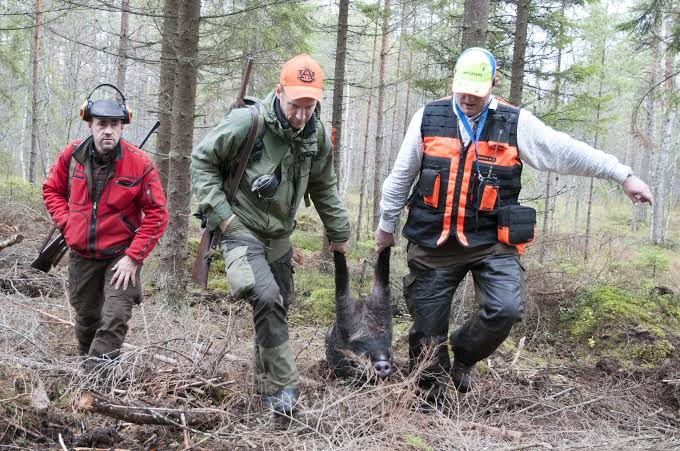
At its broadest level, the concept represents local involvement in managing wildlife resources.
This local approach can help address practical questions such as:
- How should local game populations be managed?
- How can wildlife and agriculture coexist?
- What should happen when large wild animals create problems?
- How can hunting be organized within national regulations?
- How should local wildlife information be collected?
- How can municipalities cooperate with landowners and hunters?
- What should be done when wildlife is injured or killed in traffic?
- How can sustainable wildlife populations be maintained?
These questions show why local wildlife management is more than simply deciding when people can hunt.
Why Is Viltnemnda Important in Norway?
Norway has a strong tradition of managing natural resources through a combination of national legislation and local knowledge.
Wildlife does not follow municipal boundaries. Animals move between forests, mountains, agricultural areas, roads, and settlements. At the same time, the effects of wildlife can be very local.
Also Read:, Mariano Iduba: Meaning, Background, Online Search Intent, and Digital Context
For example, a municipality with a large deer population may face concerns about crop damage or vehicle collisions. Another municipality may have different concerns involving moose, habitat conditions, or hunting pressure.
A local wildlife-management system makes it possible to consider these differences.
The importance of Viltnemnda can therefore be understood through five main areas:
- Local knowledge
- Sustainable wildlife management
- Cooperation among stakeholders
- Practical response to wildlife incidents
- Connection between national policy and local conditions
The system is part of a broader idea: wildlife conservation requires both scientific information and practical knowledge about local ecosystems.
Viltnemnda and Norwegian Wildlife Management
Norwegian wildlife management operates within a larger legal and institutional structure.
National authorities establish laws, regulations, conservation requirements, and broad management goals. Municipalities and other local bodies then play important roles in implementing wildlife-management responsibilities.
This division allows Norway to maintain national standards while still considering local circumstances.
Wildlife management can involve several related activities:
- Population monitoring
- Hunting management
- Wildlife census work
- Damage prevention
- Traffic-related wildlife issues
- Habitat considerations
- Reporting and documentation
- Cooperation with landowners
- Public information
- Enforcement of wildlife rules by appropriate authorities
Viltnemnda should therefore be viewed as part of a larger network rather than as an independent organization controlling all wildlife decisions.
How Does Local Wildlife Management Work?
A useful way to understand Norwegian wildlife management is to imagine several levels working together.
National Level
National authorities establish the legal framework for wildlife management.
This includes rules governing wildlife protection, hunting, conservation, species management, and related environmental responsibilities.
Regional Level
Regional authorities may coordinate or oversee responsibilities across municipalities and help apply national policies.
Local Level
Municipalities and local wildlife-management structures deal with issues that require knowledge of local conditions.
Landowners and Hunting Organizations
Private landowners, hunting organizations, and other local stakeholders also play important roles.
Researchers and Environmental Experts
Scientific information helps decision-makers understand population trends, habitat conditions, disease risks, and ecological changes.
This multi-level approach is important because no single organization has complete control over every aspect of wildlife management.
What Does Viltnemnda Do?
The specific responsibilities associated with local wildlife committees can vary depending on the legal framework and local organization. However, wildlife management commonly includes several important tasks.
Managing Game Populations
One of the most important purposes of wildlife management is maintaining healthy populations.
A population that becomes too large can create ecological and social problems. A population that becomes too small can face long-term conservation risks.
Management decisions therefore need to consider:
- Population size
- Reproduction
- Habitat availability
- Food resources
- Predation
- Hunting pressure
- Climate
- Disease
- Road mortality
- Agricultural conflicts
The goal is not simply to maximize or minimize animal numbers. Sustainable management attempts to keep wildlife populations within levels that are ecologically appropriate and socially manageable.
Supporting Sustainable Hunting
Hunting is an important part of wildlife management in Norway.
When properly regulated, hunting can help manage populations while also providing recreational, cultural, and economic benefits.
Local wildlife-management structures can contribute information and administrative support related to hunting.
However, hunters must follow applicable Norwegian laws and regulations. A local committee does not automatically give someone permission to hunt wherever or whenever they choose.
This distinction is important for anyone researching Viltnemnda from outside Norway.
Responding to Wildlife Damage
Wild animals sometimes come into conflict with farming, forestry, roads, and residential areas.
Examples include:
- Deer feeding on crops
- Moose entering roads
- Wildlife damaging fences
- Animals entering populated areas
- Game affecting forestry operations
Local wildlife management can help coordinate appropriate responses.
The solution may involve monitoring, prevention, habitat management, changes in local practices, or regulated population management.
Handling Injured or Dead Wildlife
Wildlife accidents are another important part of local management.
Road collisions involving moose, deer, or other large animals can create risks for both animals and people.
When a wildlife collision occurs, the appropriate response depends on the situation. Emergency services, police, municipal authorities, wildlife personnel, or other relevant organizations may have responsibilities.
People should not assume that a local wildlife committee is an emergency-response service.
If an animal is injured on a road and creates an immediate danger, contacting the appropriate emergency authority is generally more important than trying to handle the animal personally.
Viltnemnda and Moose Management
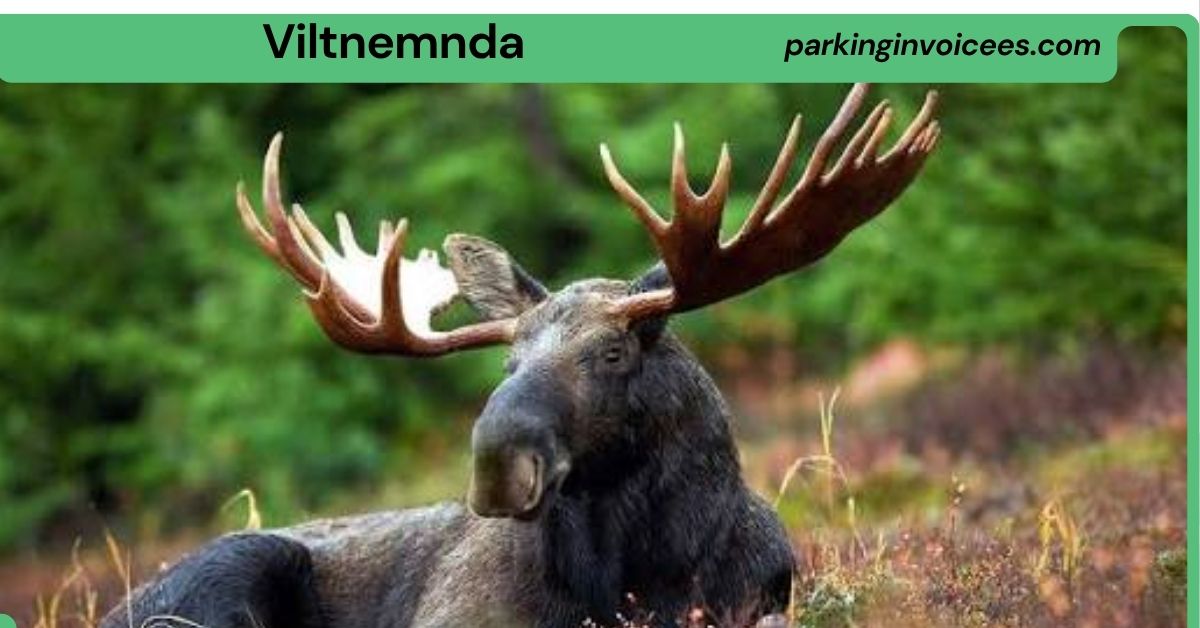
Moose are among Norway’s most recognizable large wild animals and are an important part of Norwegian wildlife management.
Moose populations can affect:
- Forest vegetation
- Road safety
- Hunting opportunities
- Local ecosystems
- Agricultural areas
- Forestry interests
This makes moose management a good example of why local decision-making matters.
A municipality with heavy moose traffic near major roads may have different priorities from a remote mountain municipality with little road traffic.
Local information can help authorities understand these differences.
Viltnemnda and Deer Management
Deer are also significant in Norwegian wildlife management.
As deer populations change, communities may experience different levels of:
- Agricultural damage
- Road collisions
- Forest impacts
- Hunting pressure
- Population growth
Management decisions need to balance wildlife conservation with human interests.
This is a common principle in modern wildlife management around the world.
The Role of Local Knowledge
One of the strongest reasons for having local wildlife-management structures is local knowledge.
Scientific studies can provide broad information about animal populations, but people working at the local level may know details that are difficult to capture in national datasets.
For example, local observers may know:
- Where animals regularly cross roads
- Which agricultural fields experience repeated damage
- Where wildlife concentrations have changed
- Which habitats are being used
- Where animals are frequently observed
- How local hunting conditions have changed
Local knowledge should not replace scientific evidence. Instead, the strongest management decisions often combine both.
Viltnemnda and Scientific Wildlife Management
Modern wildlife management increasingly depends on evidence.
Population estimates, hunting records, wildlife observations, biological research, geographic information, and environmental monitoring can all support decision-making.
This approach is sometimes called evidence-based wildlife management.
A good management process asks questions such as:
- What do the available data show?
- How reliable are those data?
- Are population numbers increasing or decreasing?
- What environmental changes may explain the trend?
- What happened after previous management decisions?
- Are different information sources consistent?
- What are the possible unintended effects?
This type of reasoning is valuable because wildlife populations can change for many reasons.
Wildlife Management Is Not the Same as Wildlife Protection
An important point for readers is that wildlife management and wildlife protection are related but not identical.
Wildlife protection generally emphasizes preventing unnecessary harm and conserving species and habitats.
Wildlife management is broader. It can include conservation, population monitoring, hunting regulation, conflict prevention, habitat considerations, and population control where legally justified.
A management decision can therefore involve protecting wildlife while also controlling certain population levels.
This may seem contradictory at first, but it reflects the complexity of ecosystems.
Viltnemnda and Conservation
Conservation is one of the central goals of responsible wildlife management.
Healthy ecosystems depend on functioning relationships among animals, plants, habitats, predators, prey, and human activities.
Also Read: JR Geo: Meaning, Search Intent, Online Presence & Safety Guide
Conservation does not always mean leaving wildlife completely unmanaged.
In some situations, carefully regulated management may help maintain ecological balance.
For example, if a species becomes unusually abundant in an area with limited habitat or food, management may be needed. In other situations, a declining population may require stronger protection.
The correct approach depends on the species, location, environmental conditions, and applicable law.
Why Local Wildlife Decisions Can Be Difficult
Wildlife management often involves competing interests.
Different groups may have different views about the same animal population.
For example:
- Hunters may focus on sustainable harvest opportunities.
- Farmers may focus on crop damage.
- Drivers may be concerned about collisions.
- Conservation groups may prioritize biodiversity.
- Landowners may focus on land management.
- Residents may care about animals entering populated areas.
- Scientists may emphasize long-term population data.
None of these perspectives automatically provides the entire answer.
Good wildlife management requires weighing evidence and considering long-term consequences.
The Importance of Sustainable Management
Sustainability means meeting present needs without damaging the ability of future generations to benefit from wildlife and natural resources.
For wildlife, sustainability involves maintaining populations that can reproduce and remain healthy over time.
This requires attention to:
- Birth rates
- Mortality
- Habitat quality
- Food availability
- Hunting levels
- Disease
- Climate conditions
- Human development
A sustainable approach is especially important because wildlife populations can respond quickly to environmental changes.
Climate Change and Norwegian Wildlife
Climate change adds another layer of complexity.
Norway is experiencing environmental changes that can influence wildlife habitats and seasonal conditions.
Changes in:
- Snow cover
- Temperature
- Vegetation
- Forest composition
- Water availability
- Seasonal timing
can affect wildlife behavior and distribution.
These changes can make historical management assumptions less reliable.
For this reason, local wildlife-management decisions increasingly benefit from current data rather than relying only on older population patterns.
Roads and Wildlife Safety
Roads are one of the most visible points of contact between people and wildlife.
Large animals can cause serious traffic accidents, especially during periods when they move more frequently.
Wildlife-road collisions can result in:
- Human injuries
- Vehicle damage
- Animal deaths
- Emergency response costs
- Traffic disruptions
Local wildlife knowledge can help identify high-risk areas.
Possible mitigation strategies may include:
- Wildlife warning signs
- Improved roadside visibility
- Fencing
- Wildlife crossings
- Vegetation management
- Driver awareness
- Monitoring of collision locations
Different measures are appropriate in different places.
Agriculture and Wildlife Conflicts
Farmers may experience significant losses when wildlife feeds on crops or damages agricultural land.
Wildlife management can help communities address these conflicts through prevention and appropriate population management.
The best approach is often to reduce conflict rather than simply respond after damage occurs.
Preventive measures can include:
- Fencing
- Habitat changes
- Improved crop protection
- Monitoring
- Local population management
- Better communication between landowners and authorities
The exact legal options vary by situation.
Forestry and Wildlife
Norway’s forests provide important habitat for many species.
At the same time, forestry is an important economic activity.
Wildlife management therefore has to consider how forest practices influence animals and how animals influence forest ecosystems.
This creates another example of the need for balanced decisions.
A healthy forest can provide food and shelter for wildlife, while excessive browsing by large herbivores can affect young trees and forest regeneration.
How Hunters Fit Into the System
Hunters are important participants in Norwegian wildlife management.
They can provide:
- Population observations
- Harvest information
- Field experience
- Data about animal distribution
- Information about wildlife health
Hunting records can also contribute to population monitoring.
However, hunting must take place within the applicable legal system.
Anyone interested in hunting in Norway should verify current rules with official Norwegian authorities rather than relying on old online articles or informal advice.
Viltnemnda Is Not a Hunting Club
This distinction is worth emphasizing.
Viltnemnda should not be understood as simply a group of hunters.
Local wildlife-management structures operate within a broader public-management framework.
Although hunting stakeholders may interact closely with wildlife authorities and local management systems, wildlife management also includes conservation, public safety, ecological considerations, land-use conflicts, and legal responsibilities.
Viltnemnda and Municipal Government
Local government is important because many wildlife issues are inherently local.
Municipal authorities may deal with matters that national agencies cannot manage individually across every community.
Local administration can help translate broad policies into practical decisions.
This does not mean municipalities have unlimited authority.
Norway’s wildlife laws and regulations establish the legal boundaries within which local management operates.
Understanding the Norwegian Word “Viltnemnda”
For English-speaking readers, Norwegian terminology can be confusing.
Some related words include:
- Vilt: wildlife or game
- Nemnd: committee or board
- Viltforvaltning: wildlife management
- Viltforvaltning: administration and management of wildlife
- Jakt: hunting
- Hjortevilt: deer family game, such as moose and deer
- Naturforvaltning: nature management
- Viltbestand: wildlife population
Understanding these terms can make Norwegian government websites and wildlife documents much easier to interpret.
Why Americans May Encounter the Term Online
A person in the United States might encounter Viltnemnda while researching:
- Norway travel
- Norwegian hunting
- Scandinavian wildlife
- Moose management
- European wildlife policy
- Norwegian municipalities
- Wildlife conservation
- Nordic environmental policy
- Wildlife collision procedures
- Norwegian government terminology
Search results may contain Norwegian-language pages, municipal documents, news articles, or historical references.
Because the term is Norwegian, automatic translations may sometimes produce awkward or incomplete English.
Is Viltnemnda an Organization?
The answer depends on how the term is being used.
“Viltnemnda” is primarily a Norwegian administrative term associated with wildlife-management committees or bodies. It should not automatically be interpreted as the name of one single nationwide organization.
Different municipalities and administrative arrangements can affect how wildlife responsibilities are organized.
This is an important SEO and research distinction because online searches may combine historical terminology with current administrative structures.
Is Viltnemnda Still Relevant?
Yes, the underlying concept of local wildlife management remains relevant, but readers should pay attention to the date of any source they find.
Norwegian public administration can change over time. Responsibilities may be reorganized, terminology may evolve, and municipalities may structure their wildlife work differently.
Therefore, an old webpage may accurately describe the system at the time it was published while no longer describing the current administrative structure in exactly the same way.
For up-to-date information, official Norwegian municipal and government sources should be preferred.
How to Research Viltnemnda Safely Online
Searching for an unfamiliar foreign term requires some digital literacy.
A useful research strategy is:
Start With the Exact Norwegian Term
Search for “viltnemnda” rather than immediately relying on an English translation.
Add a Context Word
Try searches such as:
- viltnemnda Norway
- viltnemnda municipality
- viltnemnda wildlife management
- viltnemnda hunting
- viltnemnda moose
- viltnemnda deer
Look for Official Sources
Government and municipal websites are usually more reliable for legal and administrative information.
Check Publication Dates
Wildlife-management systems can change, so recent information is especially important for legal questions.
Compare Multiple Sources
A municipal page, government document, scientific publication, and news report may each explain a different part of the issue.
Privacy and Safety Considerations
The term Viltnemnda itself does not represent a particular online safety threat.
However, people researching wildlife and hunting topics online should still practice basic digital safety.
Avoid entering personal information into unknown websites simply because they appear in search results.
Be careful with:
- Unverified hunting websites
- Fake government pages
- Download links from unknown sources
- Requests for payment information
- Websites asking for unnecessary identification
- Unofficial legal advice
- Old documents presented as current law
For legal or regulatory questions, use trusted government sources whenever possible.
Legal Considerations for Wildlife and Hunting
Wildlife laws can be complicated.
Rules may govern:
- Hunting seasons
- Hunting licenses
- Permitted species
- Landowner rights
- Firearms
- Reporting requirements
- Protected species
- Animal welfare
- Wildlife damage
- Roadkill
- Population control
These rules can change.
Anyone planning to hunt, handle wildlife, or take action involving a wild animal in Norway should check current official regulations.
An informational article cannot replace professional legal advice or current government instructions.
Viltnemnda and Digital Literacy
Digital literacy is especially important when researching a foreign government system.
Search engines may return:
- Current information
- Historical information
- Automatically translated pages
- Personal blogs
- Commercial websites
- News articles
- Archived documents
These sources do not all have the same reliability.
A trustworthy source should ideally identify who published it, when it was published, and what evidence supports its claims.
Readers should also distinguish between information about Norway as a whole and information that applies only to a particular municipality.
Common Misunderstandings About Viltnemnda
Misunderstanding 1: Viltnemnda Is One National Wildlife Agency
Not necessarily. The term is connected with local wildlife-management structures rather than automatically referring to one single nationwide agency.
Misunderstanding 2: Viltnemnda Controls All Norwegian Wildlife
Wildlife management is shared across different levels of government and involves several institutions and stakeholders.
Misunderstanding 3: Viltnemnda Is Only About Hunting
Hunting is important, but wildlife management is broader and can include conservation, population monitoring, wildlife conflicts, and public safety.
Misunderstanding 4: Every Local Wildlife Issue Has the Same Solution
Local conditions vary greatly. Management decisions need to consider the species, habitat, population, and human activities involved.
Misunderstanding 5: Old Information Is Always Still Valid
Administrative structures and regulations can change. Current official information should be used for decisions involving law or safety.
Viltnemnda Compared With U.S. Wildlife Management
For an American audience, comparison can make the concept easier to understand.
In the United States, wildlife management responsibilities are often strongly associated with state wildlife agencies, federal agencies, tribal governments, local governments, and private landowners.
Also Read: Application Object Library: A Complete Guide to Oracle E-Business Suite AOL
Norway has a different structure.
Norwegian wildlife management also involves national and local authorities, landowners, hunters, researchers, and environmental organizations, but the legal and administrative framework is Norwegian.
Therefore, Viltnemnda should not simply be translated as “county wildlife department” or “state wildlife agency.”
A better explanation is that it refers to a local wildlife-management committee or administrative structure within Norway’s broader wildlife-management system.
Why Local Wildlife Governance Matters
The broader lesson from Viltnemnda is that environmental policy often works best when national goals are connected with local knowledge.
A national government may establish a conservation target, but local communities understand:
- Where animals live
- Where conflicts occur
- Which roads are dangerous
- Which farms experience damage
- How landscapes have changed
- What local residents observe
Good governance connects these levels rather than treating them as separate systems.
The Future of Local Wildlife Management
Wildlife management is likely to become increasingly data-driven.
New technology can improve the quality and speed of information available to managers.
Potential tools include:
- Wildlife cameras
- GPS tracking
- Geographic information systems
- Digital reporting
- Population modeling
- Remote sensing
- Automated data analysis
Technology, however, does not eliminate the need for local expertise.
Data can show where animals are moving, but local professionals and communities still need to decide what those patterns mean and which responses are appropriate.
How Climate and Human Development May Change Priorities
Future wildlife management will also need to account for landscape changes.
Urban expansion, new roads, forestry, agriculture, renewable-energy development, tourism, and climate change can all affect wildlife habitats.
This means local wildlife committees and authorities may increasingly face questions that did not exist in the same form decades ago.
The challenge will be to protect ecological systems while allowing communities and economies to function.
Frequently Asked Questions About Viltnemnda
1. What is the English translation of Viltnemnda?
Viltnemnda can generally be translated as “wildlife management committee” or “wildlife committee.” The most appropriate English wording can depend on the specific municipality or administrative context.
2. Does Viltnemnda issue hunting licenses?
Not necessarily. Hunting permissions and licensing are governed by Norway’s wider legal and administrative system. A person should check the current rules and the relevant authority for the municipality and species involved.
3. Can tourists contact a Viltnemnda about wildlife?
A tourist may encounter a local wildlife-management body when researching wildlife issues, but the appropriate contact depends on the specific question. For emergencies, injured animals, or immediate road hazards, the relevant emergency or local authority should be contacted instead.
4. Does Viltnemnda manage protected species?
Wildlife responsibilities depend on Norwegian law and the species involved. Not every animal is managed in the same way, and protected species may fall under different rules from huntable game.
5. Where can I find current information about Viltnemnda?
The best starting points are current Norwegian municipal and government websites. When researching the term, check the municipality involved and confirm that the information is current rather than relying on an old article or archived page.
Conclusion
Viltnemnda represents an important idea in Norway’s approach to wildlife management: local knowledge matters.
Wild animals move through real landscapes, not administrative spreadsheets. Their populations interact with forests, farms, roads, communities, hunters, and changing environmental conditions. Because these relationships can differ significantly from one location to another, local participation can make wildlife management more practical and responsive.
At the same time, local management does not operate in isolation. Norwegian wildlife policy is supported by national laws, regional administration, scientific information, conservation principles, landowners, hunters, municipalities, and other stakeholders.
For anyone searching for Viltnemnda from the United States, the simplest explanation is that it refers to a local wildlife-management committee or structure in Norway. Its broader significance, however, goes beyond the word itself. It illustrates how modern wildlife management attempts to balance ecological health, human safety, sustainable use, conservation, and local conditions.
Because Norwegian administrative arrangements and wildlife regulations can change, readers should use current official sources when they need information for a specific municipality, hunting activity, wildlife incident, or legal decision.
Understanding Viltnemnda is ultimately a useful way to understand a larger principle of environmental governance: effective wildlife management depends on combining reliable science, clear laws, local experience, and long-term responsibility for nature.